
Non-Surgical Weight Loss Procedures: Are They a Viable Alternative to Bariatric Surgery?

Interest in non-surgical weight loss has grown rapidly across the United States, driven by increased awareness of medical weight loss programmes, endoscopic procedures, and other minimally invasive options. For many people living with obesity, these developments raise an important question: Can non-surgical weight loss procedures provide results comparable to bariatric surgery, or do they serve […]
Weight Loss Surgery in the Age of Weight Loss Drugs: Who is the Right Candidate Today?

Prescription weight loss medications have changed how people think about obesity treatment. Many individuals in Dallas, Fort Worth, Plano, and Mansfield now have access to medical weight loss options that did not exist a few years ago. As a result, a common question keeps coming up: if weight loss drugs are available, who still needs […]
Bariatric Surgery in Dallas-Fort Worth: Modern Weight Loss Options for Long-Term Health

Bariatric surgery has become an important option for people living with obesity when diet, exercise, and medical weight loss efforts have not delivered sustainable results. It is not simply about reducing numbers on the scale; modern weight loss surgery is designed to support long-term health by improving how the body regulates appetite, metabolism, and obesity-related […]
Open vs. Laparoscopic vs. Robotic Surgery: Comparing Types of GI Surgery Options
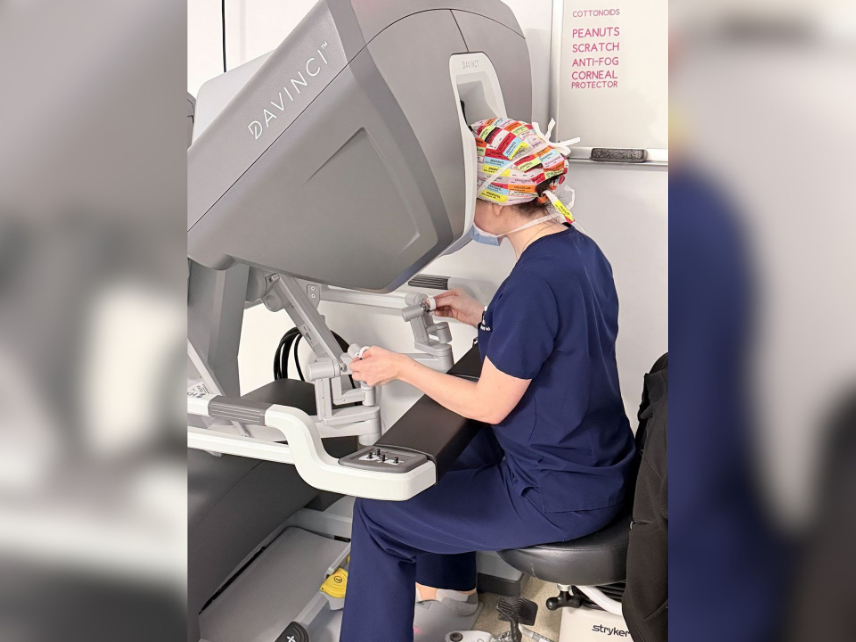
Surgery is a significant medical step that often requires careful consideration, especially when more than one surgical approach is available for the same condition. During a consultation, the doctor explains these options, discusses the reasons for recommending a particular approach, and, in some cases, takes patient preferences into account as part of the overall decision-making […]
Weight Loss Surgery or Weight Loss Medications? Choosing the Right Path for Long-Term Health
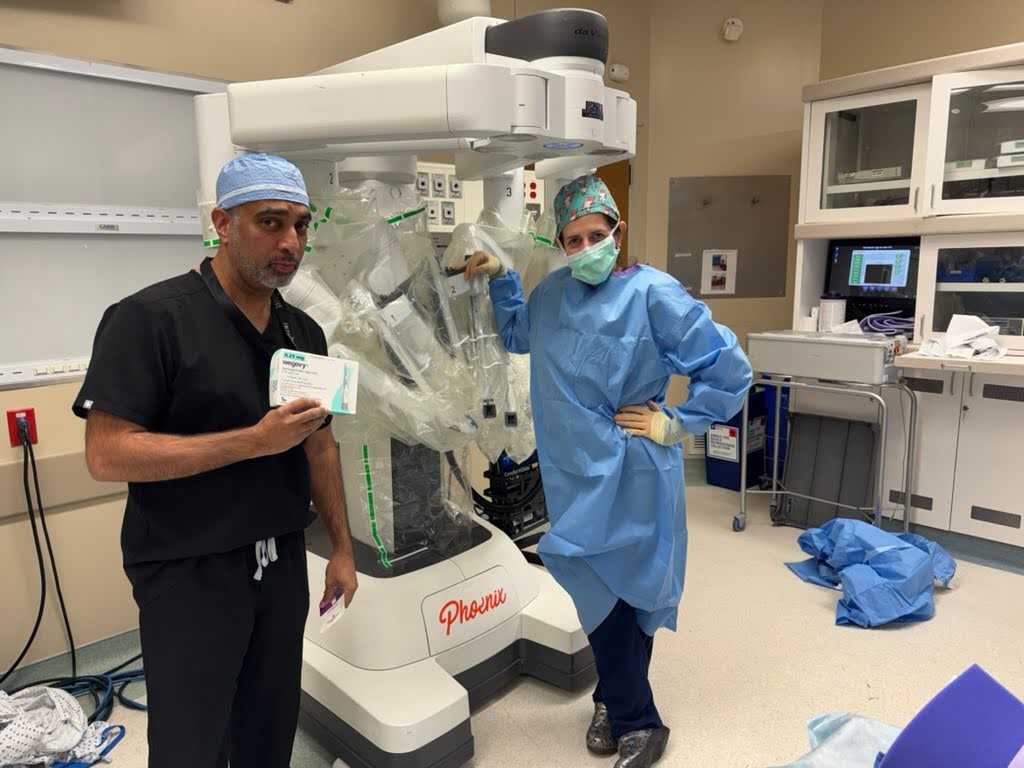
Managing obesity today involves more options than ever before. Advances in bariatric surgery, alongside the rise of medically supervised weight-loss medications, have reshaped how physicians approach long-term weight management. For individuals exploring care, the question is no longer whether medical treatment exists, but which approach aligns best with their health needs, goals, and medical history. […]
Mounjaro and Zepbound for Weight Loss: A Guide for Dallas-Fort Worth Patients
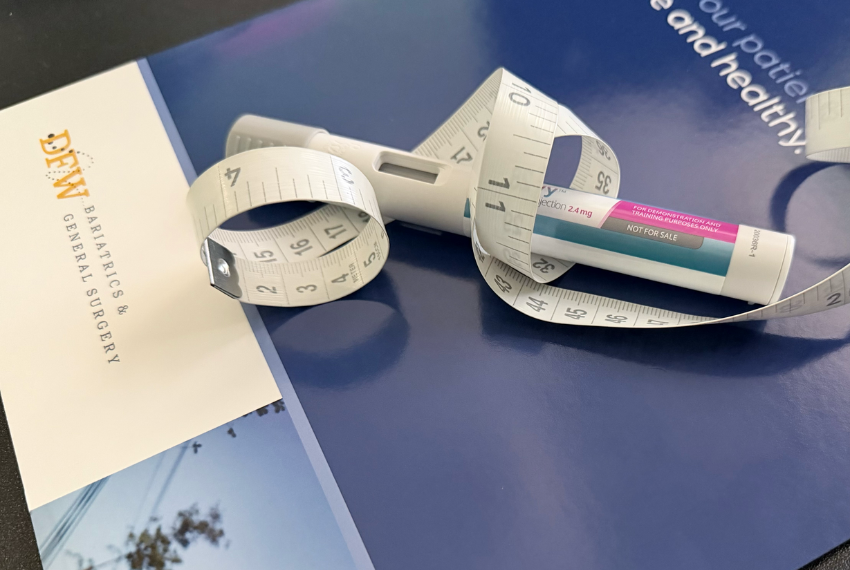
Medical advancements are reshaping the way patients approach weight loss, offering options that go beyond traditional methods. In the Dallas-Fort Worth area, injectable therapies like Mounjaro and Zepbound are gaining recognition for their ability to provide structured, clinically supervised support. These treatments are designed to help regulate appetite, enhance metabolism, and integrate seamlessly with comprehensive lifestyle strategies, giving patients a more reliable path to achieving and maintaining their weight goals.
Ozempic vs Wegovy: Breaking Down the Key Differences

Managing weight can be a complex and ongoing challenge. Despite consistent efforts with diet, exercise, and lifestyle changes, many individuals experience slow progress or frustrating plateaus, which can impact physical health, energy levels, confidence, and overall quality of life.
Why Ongoing Check-Ins Are Essential for Lasting Bariatric Surgery Results

Obesity remains a major health challenge in Dallas and across the DFW area. For many patients, weight loss surgery offers a safe, effective solution when diet and exercise alone have not delivered lasting results. While the procedure can dramatically improve health, mobility, and quality of life, lasting success depends on what happens afterward.
Inside a Non-Surgical Weight Loss Program: Personalized, Proven, and Patient-Centered

Non-surgical weight loss refers to a range of proven, non-invasive solutions designed to help individuals lose weight safely without traditional surgery. At DFW Bariatrics and General Surgery, non-surgical programs are fully physician-supervised and tailored to meet each patient’s unique health profile and weight loss goals. These programs fall into two main categories
Why Diets Often Fail and Exploring Long-Term Solutions Like Bariatric Weight Loss Surgery
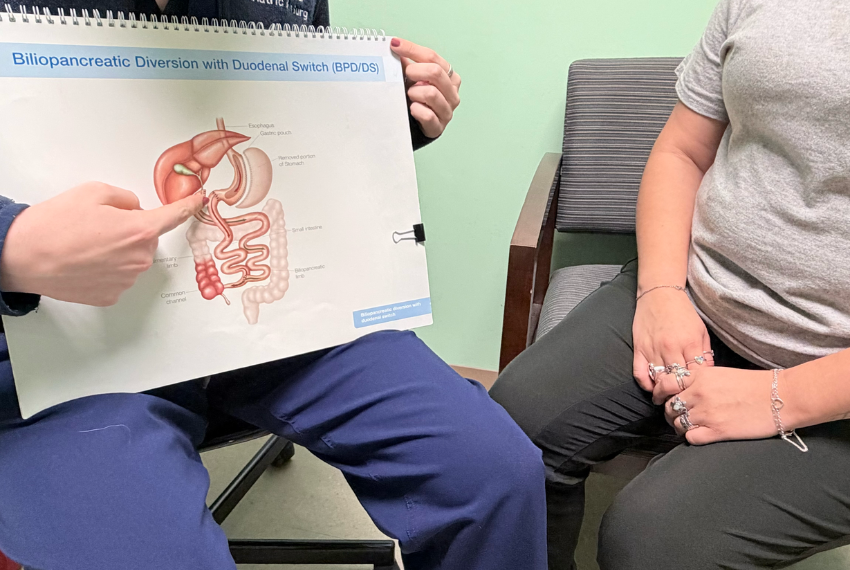
Losing weight is a journey many begin with hope and determination, often relying on popular diets or intense workout plans. Yet, despite their best efforts, many find themselves caught in a frustrating cycle of temporary success followed by relapse.