
Minimally Invasive GI Surgery in Dallas, Fort Worth, Mansfield & Plano, TX
- Home
- General Surgery
- GI Surgery
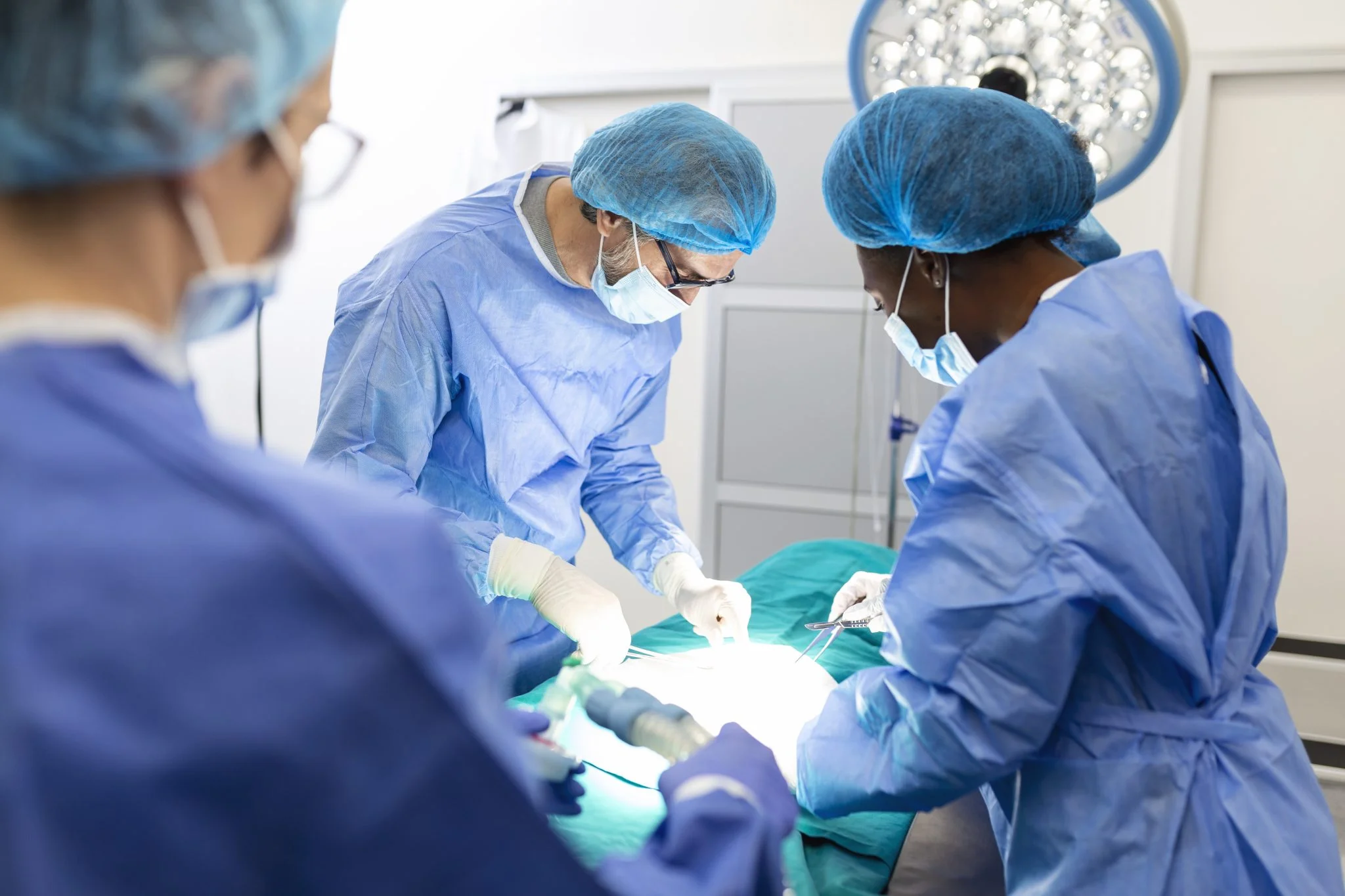
Gastrointestinal (GI) surgery treats disorders of the digestive system, including the gallbladder, stomach, colon, rectum, and esophagus. Many GI procedures can now be performed using minimally invasive techniques such as laparoscopic and robotic surgery, which use smaller incisions and specialized instruments to support greater surgical precision. Compared with traditional open surgery, these approaches typically reduce postoperative discomfort, minimize scarring, enable faster recovery, and lower the risk of certain complications. At DFW Bariatrics and General Surgery, our experienced team takes a personalized approach to every GI surgery treatment plan, combining advanced surgical techniques with comprehensive care tailored to each patient’s condition, symptoms, and recovery goals.
Minimally Invasive Approaches for GI Surgery
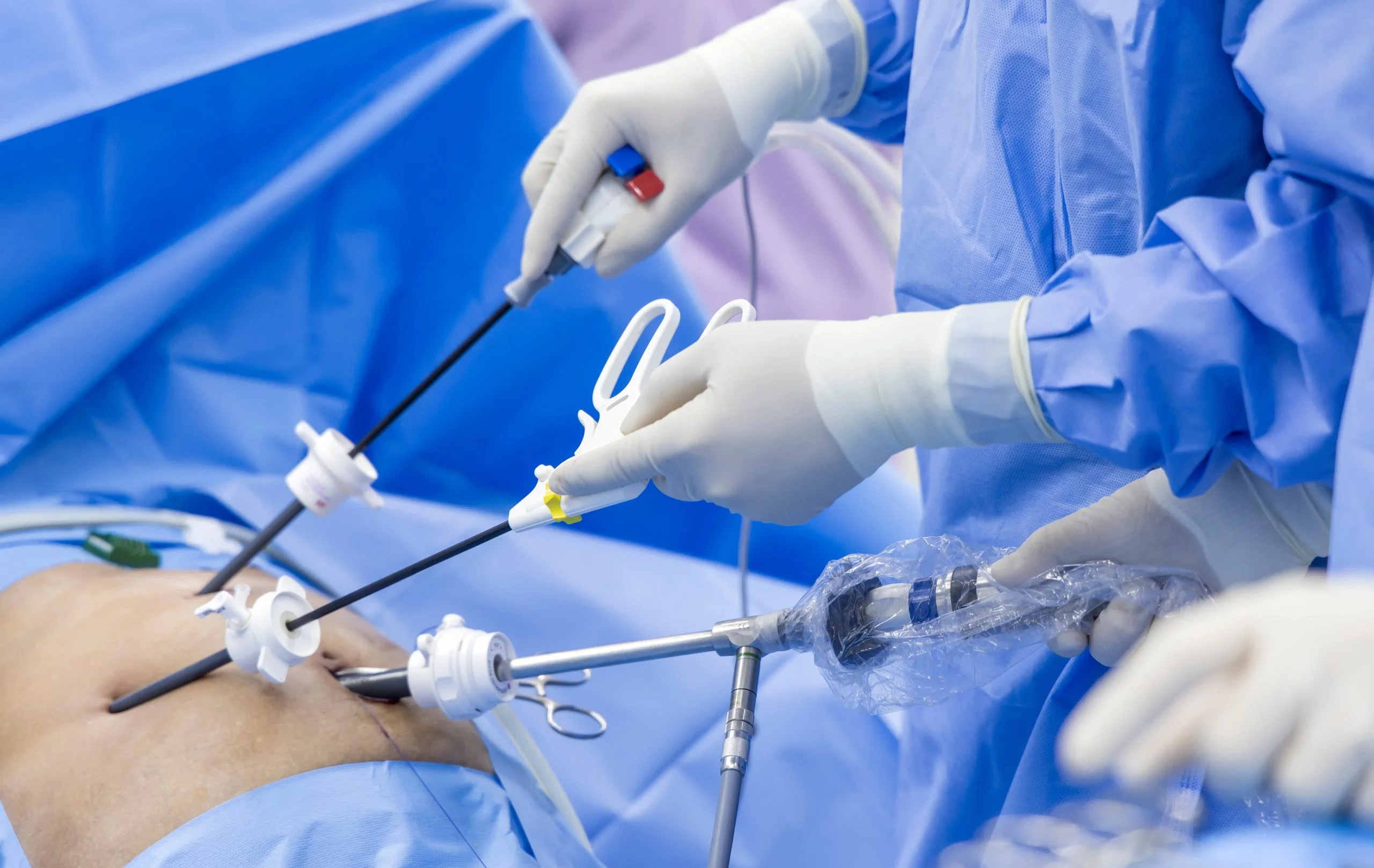
Laparoscopic and robotic surgery are two of the most commonly used minimally invasive approaches in GI surgery. Laparoscopic surgery is performed using small incisions through which specialized surgical instruments and a tiny camera are inserted to help surgeons view and treat the affected area with precision. Robotic surgery further enhances visualization by providing a magnified, three-dimensional view of the surgical site along with improved flexibility and control during complex procedures. The surgical team at DFW Bariatrics and General Surgery is experienced in a wide range of minimally invasive procedures, including gallbladder surgery, hernia repair, colorectal surgery, and anti-reflux surgery, with treatment plans tailored to each patient’s individual condition and surgical needs.
Advanced GI Surgery: Surgical Precision and Personalized Care
- Utilizing advanced minimally invasive techniques for greater surgical precision.
- Prioritizing patient safety and comfort throughout the surgical process.
- Tailored surgical approaches designed around individual patient needs and conditions.
- A team of experienced surgeons dedicated to comprehensive gastrointestinal care.
- Faster recovery times with minimally invasive procedures and smaller incisions.
- Comprehensive preoperative and postoperative support throughout recovery.
- Advanced laparoscopic and robotic techniques for a wide range of GI procedures.
- A commitment to enhancing long-term health and quality of life after surgery.
- Procedure
- Post-Op Care
- Risks & Complications
The placement of Orbera Gastric Balloon into the stomach is a simple, non-surgical outpatient procedure. First, a diagnostic test is done to make sure it is safe to perform the procedure. Then the deflated gastric balloon is inserted through the esophagus and into the stomach. Once it is in position, the balloon is inflated with saline and a dye, to maintain the required size. The procedure takes about 15 minutes to complete. The balloon is temporarily left in the stomach for about 6 months.
After the procedure, you may experience some cramps and nausea, as your stomach adjusts. Your throat may feel a little sore. You’ll follow a liquid or soft diet for a few weeks and followed by 6 months of a supervised diet plan. Our team will continue working closely with you during these 6 months.
As with any other procedure, Gastric balloon procedure involves certain risks and complications:
- Esophageal, gastric ulcers or perforation.
- Deflation of the balloon which can lead to blockage.
- Rupture of balloon dye (if used), which will be released in the urine.
Types of Minimally Invasive General Surgery
Cholecystectomy
Cholecystectomy, a minimally invasive GI surgery, is a laparoscopic procedure to remove a gallbladder that is inflamed, blocked, or filled with gallstones. The laparoscope is put into the body through a keyhole-size cut made just below the navel. To learn more about the procedure, and pre and postoperative care, click here.
Colorectal Surgery
Colorectal surgery treats colon and rectum related health conditions including appendicitis, colon cancer, rectal prolapse, and diverticulitis. The procedure involves operating on the colon and rectum by making 4 or 5 tiny incisions, and then inserting a laparoscope through the incision. To get detailed information about the procedure, click here.

Cholecystectomy
Cholecystectomy, a minimally invasive GI surgery, is a laparoscopic procedure to remove a gallbladder that is inflamed, blocked, or filled with gallstones. The laparoscope is put into the body through a keyhole-size cut made just below the navel. To learn more about the procedure, and pre and postoperative care, click here.
Colorectal surgery
Colorectal surgery treats colon and rectum related health conditions including appendicitis, colon cancer, rectal prolapse, and diverticulitis. The procedure involves operating on the colon and rectum by making 4 or 5 tiny incisions, and then inserting a laparoscope through the incision. To get detailed information about the procedure, click here.
Hernia Surgery
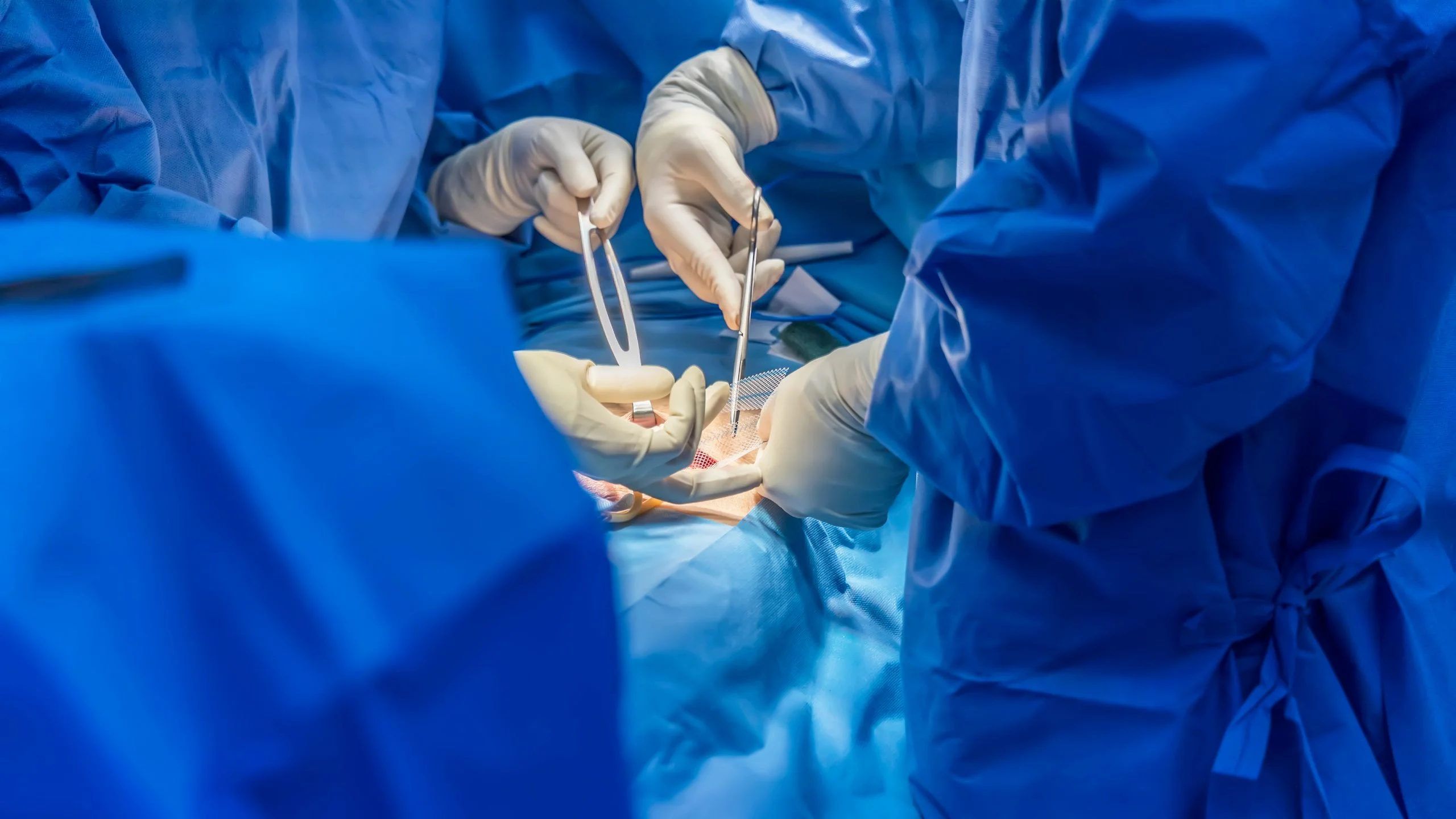
Inguinal hernias, especially when they’re smaller, can be easily repaired through a laparoscopic procedure. Laparoscopic hernia repair surgery involves making three or four small incisions in the abdomen. The surgeon then inserts a fiber-optic tube that has a tiny camera on the end. To learn more about the surgery, click here.
Anti-reflux Surgery
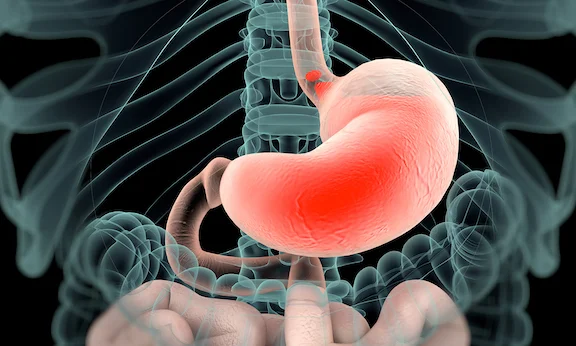
Gastroesophageal reflux disease (GERD) – a chronic disease of the gastrointestinal canal, can be treated using minimally invasive procedures such as LINX, Nissen Fundoplication, and Gastric Bypass. To learn more about anti reflux surgical procedures, click here.
Hernia Surgery
Inguinal hernias, especially when they’re smaller, can be easily repaired through a laparoscopic procedure. Laparoscopic hernia repair surgery involves making three or four small incisions in the abdomen. The surgeon then inserts a fiber-optic tube that has a tiny camera on the end. To learn more about the surgery, click here.
Anti-reflux Surgery
Gastroesophageal reflux disease (GERD) – a chronic disease of the gastrointestinal canal, can be treated using minimally invasive procedures such as LINX, Nissen Fundoplication, and Gastric Bypass. To learn more about anti reflux surgical procedures, click here.



Take the Next Step With DFW Bariatrics and General Surgery
Digestive symptoms and gastrointestinal conditions can affect daily comfort, eating habits, and overall well-being, which is why timely surgical care and clear guidance are important. The experienced team at DFW Bariatrics and General Surgery provides personalized evaluation and treatment planning for a wide range of minimally invasive GI surgery procedures, helping patients better understand their condition, explore possible treatment options, and determine whether minimally invasive surgery may be the right approach for their needs.
For individuals seeking experienced surgical care in Dallas-Fort Worth, Mansfield, and Plano, our team is committed to providing compassionate guidance and support before, during, and after treatment. To learn more about available surgical options or schedule a consultation, call 469-620-0222 or fill out our contact form to connect with our team and discuss your concerns with an experienced surgical specialist.
Discuss Your GI Concerns; Expert Guidance Awaits You.
Contact usGeneral Surgery
Persistent abdominal pain, acid reflux, rectal bleeding, difficulty swallowing, hernia-related discomfort, or ongoing digestive symptoms that do not improve with conservative treatment may require evaluation by a gastrointestinal surgeon.
Whether minimally invasive surgery is appropriate depends on factors such as your condition, symptoms, medical history, and overall health. If you would like to better understand your treatment options or surgical eligibility, scheduling a consultation with DFW Bariatrics and General Surgery can help provide greater clarity and guidance.
Robotic surgery allows surgeons to operate with enhanced visualization, precision, flexibility, and control during certain procedures. Compared with traditional open surgery, minimally invasive robotic approaches also involve smaller incisions, which can help reduce postoperative discomfort, minimize scarring, and support faster recovery for many patients.
Recovery timelines vary depending on the procedure performed, the patient’s overall health, and the surgical approach used. Minimally invasive procedures generally support shorter recovery periods and reduced postoperative discomfort compared with traditional open surgery.
Some minimally invasive procedures may be performed on an outpatient basis, while others may require a short hospital stay depending on the type of surgery performed and the patient’s postoperative recovery needs.
Minimally invasive techniques are commonly used to treat gallbladder disease, hernias, acid reflux, colorectal conditions, and other digestive system disorders that may require surgical treatment.
Some gastrointestinal conditions may worsen over time if symptoms are ignored or left untreated. Seeking timely medical evaluation can help support earlier diagnosis, appropriate treatment planning, and better long-term digestive health.
Yes. DFW Bariatrics and General Surgery provides minimally invasive gastrointestinal surgery services for patients across Dallas, Fort Worth, Mansfield, and Plano, including advanced laparoscopic and robotic surgical techniques tailored to individual patient needs. To learn more about available treatment options or schedule a consultation, call 469-620-0222 or fill out our contact form.