
Duodenal Switch Surgery Dallas, Fort Worth, Mansfield &
Plano, TX
- Home
- Weight Loss Surgery
- Biliary Pancreatic Diversion with Duodenal Switch
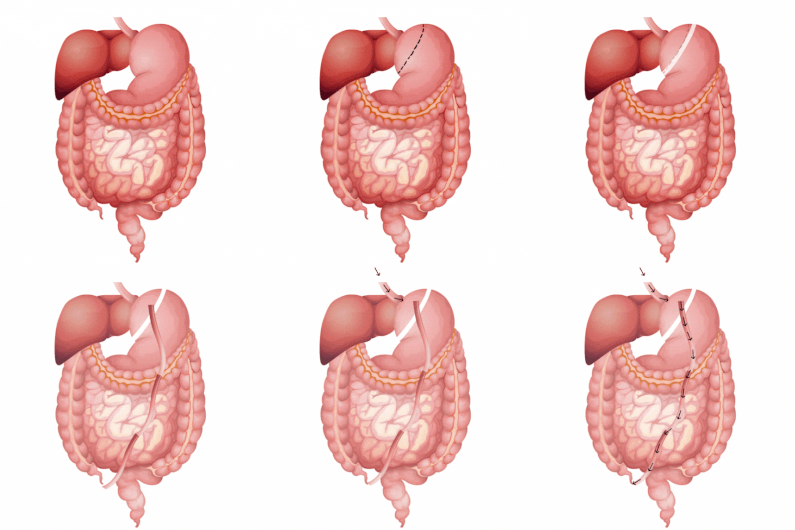
Duodenal Switch (DS) surgery, also called “Biliopancreatic Diversion” or simply “Switch”, is a treatment for individuals with morbid obesity that combines gastric sleeve and gastric bypass surgery. The procedure aims at decreasing the calories absorbed by the intestines, by restricting the amount of intestine that comes into contact with food. In addition, it is designed to decrease the quantity of food the stomach can accommodate and the body can use. Generally, surgeons recommend DS as a secondary procedure after insufficient weight loss from a sleeve gastrectomy, or as a primary operation in patients with a BMI over 50 or severe diabetes.
One of the most frequently performed laparoscopic weight loss procedures at DFW Bariatrics and General Surgery, the procedure has transformed the lives of countless people in Dallas, Fort Worth, Mansfield, Plano, and surrounding areas. Dr. Sachin Kukreja is one of the few surgeons in the country to perform the operation robotically and has actually written textbooks and published surgical videos alongside Dr. Elizabeth Hooper and Dr. Rebecca Barr to teach other surgeons how to perform the procedure.
How is Duodenal Switch Surgery Performed?
Duodenal Switch is performed under general anesthesia in two stages; in the first phase, around 80 percent of the stomach is removed using sleeve gastrectomy, leaving behind a small tube-like portion. The second step bypasses large parts of the intestine by connecting the end of the intestine to the duodenum. A biliary pancreatic diversion limits how much food a person can consume, and reduces nutrient absorption. In patients with a previous sleeve gastrectomy, only the second portion is performed. This combination of restriction and reduced absorption helps support substantial long-term weight loss while also improving metabolic health in patients.
Dr. Sachin Kukreja, Dr. Elizabeth Hooper, and Dr. Rebecca Barr with their team at DFW Bariatrics and General Surgery ensure that the patients get comprehensive postoperative care and assistance to ensure a safe and durable long-term result.
Is Duodenal Switch Procedure Right for You?
Choosing the right course of action is critical to treating morbid obesity successfully. The bariatric surgeons at DFW Bariatrics and General Surgery follow a personalized approach to patient care, which includes detailed consultative sessions with our physicians on all possible surgical and non-surgical weight loss options. Typically, individuals with a body mass index (BMI) greater than 40 are considered good candidates for duodenal switch procedure. Patients with obesity-related conditions such as Type 2 diabetes, sleep apnea, or high blood pressure may also benefit from discussing whether this procedure is appropriate for their needs. Generally, duodenal switch results in faster weight loss than Roux-en-Y gastric bypass, but at the expense of a slightly higher complication rate. Speak with one of our experienced weight loss surgeons in Dallas or Fort Worth to determine whether duodenal switch surgery is the right option for your health needs and long-term goals.
- Procedure
- Post-Op Care
- Risks & Complications
The placement of Orbera Gastric Balloon into the stomach is a simple, non-surgical outpatient procedure. First, a diagnostic test is done to make sure it is safe to perform the procedure. Then the deflated gastric balloon is inserted through the esophagus and into the stomach. Once it is in position, the balloon is inflated with saline and a dye, to maintain the required size. The procedure takes about 15 minutes to complete. The balloon is temporarily left in the stomach for about 6 months.
After the procedure, you may experience some cramps and nausea, as your stomach adjusts. Your throat may feel a little sore. You’ll follow a liquid or soft diet for a few weeks and followed by 6 months of a supervised diet plan. Our team will continue working closely with you during these 6 months.
As with any other procedure, Gastric balloon procedure involves certain risks and complications:
- Esophageal, gastric ulcers or perforation.
- Deflation of the balloon which can lead to blockage.
- Rupture of balloon dye (if used), which will be released in the urine.
What to Expect Post Procedure
Patients are usually kept in the hospital for 1-2 days following surgery. Surgeons will schedule a follow-up visit 2 weeks after the surgery. The overall recovery period depends on various factors such as adherence to diet and vitamin regimen, medical checkups, and postoperative care instructions.
Advantages of Duodenal Switch Procedure
- Greater long-term weight loss and less chance of regaining weight
- More rapid weight loss compared with other procedures
- Resolution of obesity-related illnesses (up to 98% diabetes remission rate)
Life After Duodenal Switch Procedure
On an average, patients report losing 70-90 percent of their excess body weight within 2 years of the procedure. Lifestyle changes, however, might be essential to achieve the desired results. In addition, Duodenal Switch is known to reduce the risk of comorbid conditions such as GERD, heart diseases, type-2 diabetes, and sleep apnea. Overall, the procedure greatly improves the quality of life of patients. Adherence to a good diet rich in protein and satisfactory vitamin replacement is imperative to ensure long-term success.
What to Expect Post Procedure
Advantages of Duodenal Switch Procedure
Duodenal Switch surgery is often recommended for individuals who require significant and sustained weight loss, particularly when obesity is accompanied by serious medical conditions. Its combined restrictive and malabsorptive approach can offer several long-term health benefits, including:
- Greater long-term weight loss, with less chance of regaining weight when combined with ongoing lifestyle adherence
- More rapid and substantial weight loss compared with some other bariatric procedures
- Significant improvement, and in some cases remission, of obesity-related illnesses including Type 2 diabetes
- Improvement in conditions such as sleep apnea, high blood pressure, and high cholesterol levels
- Enhanced mobility, improved energy levels, and better overall quality of life
Life After Duodenal Switch Procedure




Looking to Shed Those Extra Pounds? Contact Us!
DFW Bariatrics and General Surgery, under the leadership of Dr. Sachin Kukreja alongside Dr. Elizabeth Hooper and Dr. Rebecca Barr, has been delivering white glove weight loss surgery. Our customized obesity treatment programs are tailored to each individual patient’s needs, and we never take the cookie-cutter approach. Whether you are looking for a duodenal switch expert in Dallas, Fort Worth, Mansfield, Plano or any nearby area, our team of experienced surgeons has got you covered. From the initial consultation to postoperative follow-up, our team focuses on providing clear guidance, personalized treatment planning, and ongoing support throughout your weight loss journey. To schedule an appointment or learn more about duodenal switch surgery, simply call 469-620-0222 or fill out our contact form.
Discover comprehensive duodenal switch solutions. Consult today.
Contact usFrequently Asked Questions
Many patients lose a significant amount of excess body weight after surgery, often over the first 12 to 24 months. Results vary based on starting weight, nutrition habits, physical activity, and long-term follow-up care.
Duodenal switch is often considered for individuals with severe obesity, commonly those with a BMI over 50, or patients with obesity-related conditions such as Type 2 diabetes who need substantial weight loss.
Yes, many duodenal switch procedures are performed using minimally invasive laparoscopic or robotic techniques. At DFW Bariatrics and General Surgery, the procedure is performed laparoscopically for eligible candidates. For more information about whether this approach is right for you, you can contact the team for personalized guidance.
Most patients stay in the hospital for one to two days. Recovery time varies, but many people gradually resume routine activities within a few weeks while following their surgeon’s dietary and activity guidelines.
Yes, vitamin and mineral supplementation is typically recommended after duodenal switch surgery because the procedure reduces nutrient absorption. Regular follow-up visits and lab monitoring help ensure nutritional needs are properly managed.
Duodenal switch is associated with significant metabolic benefits, and many patients experience major improvement in blood sugar control. Some individuals may even see remission, depending on their medical history and follow-up care.
Duodenal switch can carry a higher complexity profile than some other bariatric surgeries, but it may also provide greater weight loss benefits for selected patients. A specialist can explain risks and benefits clearly.
Patients usually begin with liquids, then progress to soft foods before returning to regular textured meals. Long-term success often depends on a protein-focused diet, hydration, portion control, and consistent follow-up guidance.