
Stomach Intestinal Pylorus Sparing Duodenal Switch (SIPS) - Dallas, Fort Worth, Mansfield & Plano
- Home
- Weight Loss Surgery
- Single Intestinal Pylorus Sparing Duodenal Switch (SIPS)
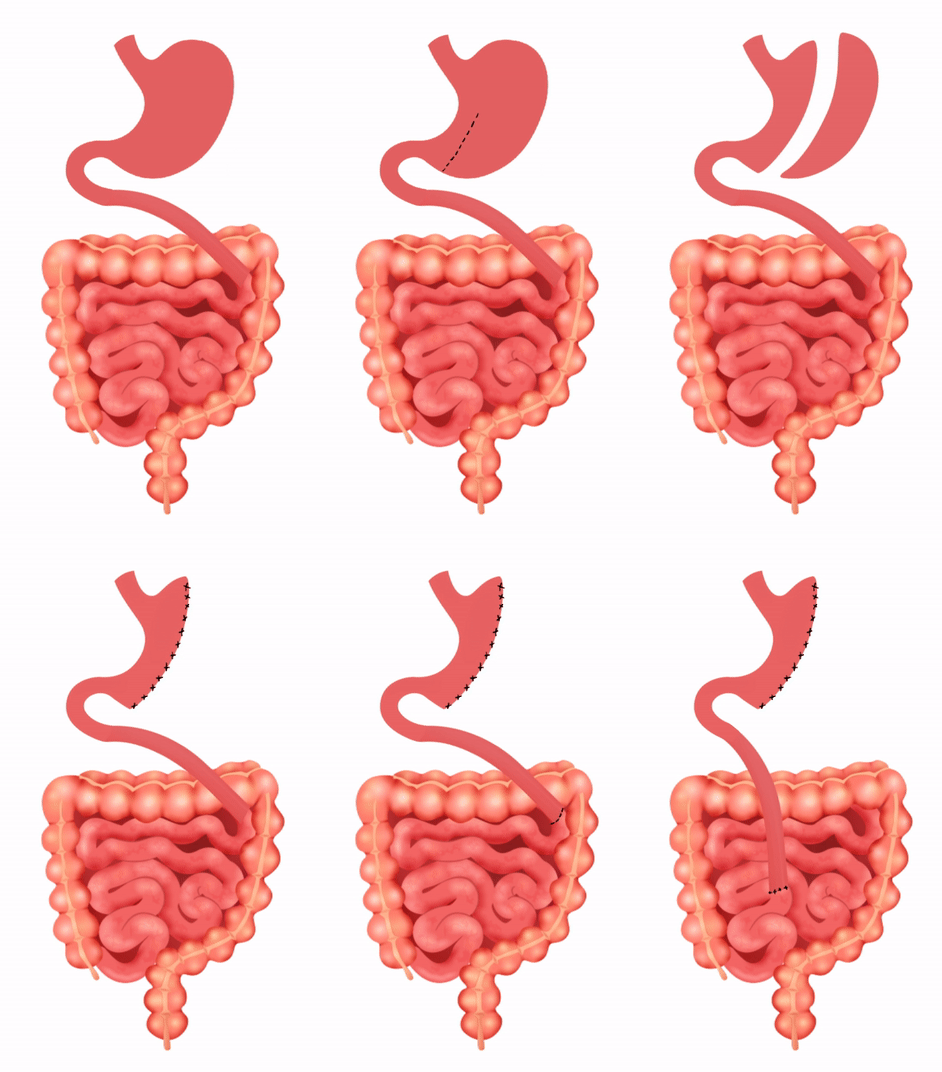
How SIPS Procedure Works
The SIPS procedure achieves weight loss through two primary mechanisms: restriction and controlled malabsorption.
- Stomach Reduction (Restriction): A large portion of the stomach is removed, leaving a narrow, sleeve-shaped stomach. This significantly reduces stomach volume to approximately 4–6 ounces (120–180 ml), allowing patients to feel full after eating small portions.
- Intestinal Rerouting (Mild Malabsorption): The small intestine is reconfigured so that a segment of approximately 300 cm near the end of the intestine is connected to the stomach. This limits calorie absorption while still preserving essential nutrient uptake.
Unlike more complex bypass procedures, the pyloric valve is preserved, which helps regulate gastric emptying and may reduce dumping-related symptoms.
Benefits of the SIPS Procedure
- Improved rates of type 2 diabetes remission in appropriate patients
- More stable blood sugar control in some patients compared with gastric bypass
- Potential for greater weight loss compared with sleeve gastrectomy (VSG) or gastric bypass (RYGB) in selected patients
- May have fewer technical complications compared with more complex duodenal switch procedures
- May be associated with a lower risk of marginal ulcers, strictures, and small bowel obstruction compared with gastric bypass
- Procedure
- Post-Op Care
- Risks & Complications
The placement of Orbera Gastric Balloon into the stomach is a simple, non-surgical outpatient procedure. First, a diagnostic test is done to make sure it is safe to perform the procedure. Then the deflated gastric balloon is inserted through the esophagus and into the stomach. Once it is in position, the balloon is inflated with saline and a dye, to maintain the required size. The procedure takes about 15 minutes to complete. The balloon is temporarily left in the stomach for about 6 months.
After the procedure, you may experience some cramps and nausea, as your stomach adjusts. Your throat may feel a little sore. You’ll follow a liquid or soft diet for a few weeks and followed by 6 months of a supervised diet plan. Our team will continue working closely with you during these 6 months.
As with any other procedure, Gastric balloon procedure involves certain risks and complications:
- Esophageal, gastric ulcers or perforation.
- Deflation of the balloon which can lead to blockage.
- Rupture of balloon dye (if used), which will be released in the urine.
Potential Disadvantages of SADI-S Procedure
Potential risks associated with the SADI-S Procedure are similar to those of any other bariatric procedure. These include:
- Anastomotic leaks
- Infection
- Bile reflux
- Intestinal perforation
- Venous thrombosis and pulmonary embolism
- Bowel obstruction in the long-term
- Abscess
Who is a Candidate for
SIPS Surgery?
The SIPS procedure is typically considered for patients who have not achieved sustained weight loss through diet, exercise, or medical weight management programs. It may also be an option for individuals with a higher body mass index (BMI), especially when obesity-related conditions such as type 2 diabetes, high blood pressure, or sleep apnea are present.
Because SIPS combines both restrictive and malabsorptive components, eligibility is carefully assessed based on factors such as overall health status, nutritional baseline, eating patterns, and readiness for long-term lifestyle and follow-up care.
Risks and
Considerations
- Nutritional deficiencies requiring lifelong vitamin and mineral supplementation
- Acid or bile reflux in some patients
- Changes in bowel habits, such as looser or more frequent stools
- Standard surgical risks, including bleeding, infection, or anesthesia-related complications



Considering the SIPS Procedure in Dallas, Fort Worth, Mansfield, and Plano? Contact DFW Bariatrics and General Surgery
The team of weight loss surgeons at DFW Bariatrics and General Surgery in Dallas has extensive experience performing the SIPS procedure for patients in Dallas, Fort Worth, Mansfield, and Plano. Speak with us today to determine whether you may be a candidate for SIPS surgery and to get answers to all your questions. Call 469-620-0222 or email [email protected].
Discover SIPS benefits; our specialists are ready to help.
Contact usFrequently Asked Questions
SIPS includes both stomach reduction and a controlled intestinal rerouting that reduces calorie absorption, while sleeve gastrectomy only reduces stomach size without changing intestinal flow.
No, SIPS is considered a permanent procedure due to structural changes in the digestive system.
Weight loss varies by individual, but studies suggest patients may lose approximately 70 to 90 percent of excess body weight over time. Many patients experience significant and sustained long-term weight reduction when combined with dietary and lifestyle changes.
Yes. SIPS may improve blood sugar control and diabetes-related symptoms through a combination of reduced food intake, changes in gut hormones, and decreased calorie absorption.
Yes. Lifelong vitamin and mineral supplementation is required after SIPS surgery to help prevent nutritional deficiencies due to reduced absorption.
Most patients can return to light daily activities within 2 to 4 weeks, depending on individual healing and the nature of their work. Full recovery may take longer as the body adjusts.
Possible side effects may include acid or bile reflux, changes in bowel habits (such as looser or more frequent stools), and nutritional deficiencies. These effects vary by individual and are typically managed with diet and medical follow-up.
Patients who are unable to commit to long-term dietary changes, vitamin supplementation, and regular medical follow-up may not be suitable candidates for SIPS surgery. It may also not be recommended for individuals with certain uncontrolled medical or nutritional conditions. For a personalized evaluation, contact the team at DFW Bariatrics and General Surgery at 469-620-0222.