
Hernia Surgery Dallas, Fort Worth, Mansfield & Plano
- Home
- General Surgery
- Hernia Surgery
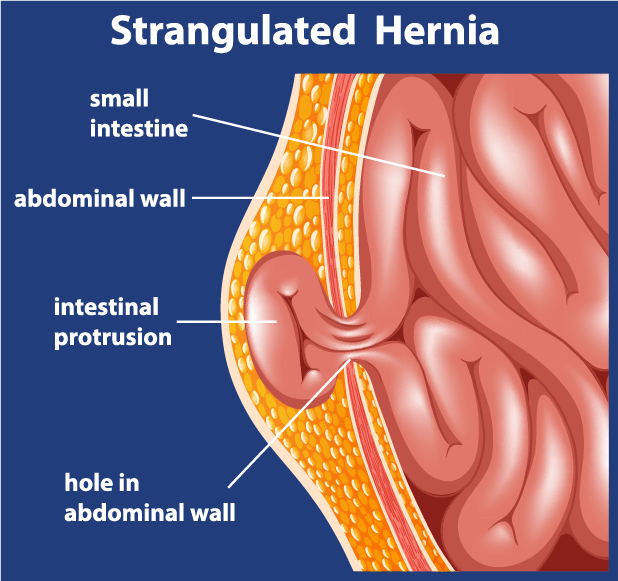
What is Hernia?
Types of Hernias
- Inguinal Hernia (Groin area) Femoral
- Hernia (Top of the inner thigh)
- Hiatal Hernia (Diaphragm)
- Epigastric Hernia (Between the Navel and Sternum)
- Umbilical Hernia (in the belly button or sometimes referred to as an “outie”)
- Incisional Hernia (Results from abdominal surgery)
- Procedure
- Post-Op Care
- Risks & Complications
The placement of Orbera Gastric Balloon into the stomach is a simple, non-surgical outpatient procedure. First, a diagnostic test is done to make sure it is safe to perform the procedure. Then the deflated gastric balloon is inserted through the esophagus and into the stomach. Once it is in position, the balloon is inflated with saline and a dye, to maintain the required size. The procedure takes about 15 minutes to complete. The balloon is temporarily left in the stomach for about 6 months.
After the procedure, you may experience some cramps and nausea, as your stomach adjusts. Your throat may feel a little sore. You’ll follow a liquid or soft diet for a few weeks and followed by 6 months of a supervised diet plan. Our team will continue working closely with you during these 6 months.
As with any other procedure, Gastric balloon procedure involves certain risks and complications:
- Esophageal, gastric ulcers or perforation.
- Deflation of the balloon which can lead to blockage.
- Rupture of balloon dye (if used), which will be released in the urine.
Who Needs Hernia Surgery?
Not everyone who develops a hernia desperately needs hernia surgery. Men with groin hernias that don’t present any other symptoms generally don’t require surgery. However, these hernias can enlarge or become painful over time, or even have intestine or bladder get stuck in them (incarcerated hernia), eventually requiring urgent hernia repair. Hiatal hernias are common, but really only merit repair when they cause symptoms or a large portion of the stomach moves into the chest. Whatever the case, it is important to discuss your case with Hernia surgeons in Dallas/Fort Worth, Mansfield, Texas, to chart the best way forward for appropriate hernia repair treatment.
What We Do
The hernia surgeons at DFW Bariatrics and General Surgery in Dallas & Mansfield, take the minimally invasive approach to hernia surgery. Dr. Sachin Kukreja, Dr. Elizabeth Hooper, and Dr. Rebecca Barr typically employ robotic surgery techniques for advanced hernia repair procedures. Unlike conventional surgery that demands a large incision, our approach only requires a few small incisions that keep the scarring and recovery time to the minimum. The surgery is performed using a laparoscope that is inserted through one incision to provide lighting, while other incisions are used to insert tools that are required to access the problem area and execute the necessary hernia repairs.




Looking for Hernia Surgeons in Dallas, Fort Worth, Mansfield & Plano, TX? Consult Us, Today!
Whether you are looking to get inguinal, femoral, or hiatal hernia surgery in Dallas or Fort Worth, Texas, the team of surgeons at DFW Bariatrics and General Surgery in Dallas is ideally placed to help. For more information on hernia surgery in Dallas, Fort-Worth, Mansfield, Plano, and other areas of Texas simply call 469-620-0222 or fill out our online appointment form and we will take it from there.
Address hernia issues; our surgical experts are here for you
Contact usFrequently Asked Questions
Consider scheduling an evaluation if you notice a bulge in your abdomen or groin, or if you experience aching or discomfort that becomes more noticeable when lifting, exercising, coughing, or standing for long periods. Even if the symptoms are mild, an early evaluation can help determine whether the hernia can be safely monitored or should be repaired.
Hernias usually do not heal on their own. They may gradually become larger, more uncomfortable, or more difficult to repair. In some cases, the tissue can become trapped or lose its blood supply, leading to complications known as incarceration or strangulation. Getting the hernia evaluated early can help reduce the risk of an emergency.
Many inguinal, umbilical, ventral, incisional, and femoral hernias can be repaired using laparoscopic or robotic-assisted surgery. Minimally invasive surgery may also be an option for some recurrent hernias. Your surgeon will consider the hernia’s size, location, complexity, and your medical history before recommending the most appropriate approach.
Robotic hernia surgery allows the surgeon to work with enhanced precision through several small incisions. For suitable patients, this may mean less discomfort after surgery, smaller scars, and a quicker return to everyday activities. However, robotic surgery is not necessary for every hernia, and your surgeon will recommend the approach that offers the safest and most effective repair.
A hernia may be considered complex if it is especially large, has returned after a previous repair, involves several abdominal wall defects, or developed at the site of an earlier surgery. Some complex hernias may also require abdominal wall reconstruction. These cases often benefit from detailed surgical planning and a surgeon experienced in advanced repair techniques.
Look for a board-certified surgeon who regularly performs hernia repairs and has experience treating both straightforward and complex cases. It is also helpful to choose a surgeon who offers open, laparoscopic, and robotic techniques so the treatment plan can be tailored to your specific hernia rather than relying on a single approach.
One approach is not automatically better for every patient. Robotic surgery may offer smaller incisions and a more comfortable recovery for certain hernias, while open surgery may be safer or more effective for some large, complicated, or previously repaired hernias. Your surgeon will explain which option is best suited to your condition and why.
No. The Shouldice technique is a tissue-based, non-mesh repair that may be appropriate for carefully selected patients with certain inguinal hernias. The right repair depends on factors such as the hernia’s size and location, the quality of the surrounding tissue, and the risk of recurrence. Other patients may benefit more from mesh repair, laparoscopic surgery, or robotic surgery.
Recovery time depends on the type of hernia, the repair method, and your overall health. Many patients can walk and manage light daily activities within a few days. A return to work and regular routines may take two to four weeks, although heavy lifting and strenuous exercise may need to be avoided for longer. Your surgeon will provide recovery instructions based on your procedure.
There is a possibility that a hernia can return, although modern repair techniques are designed to keep the risk low. Following your surgeon’s activity restrictions, allowing enough time to heal, avoiding smoking, and maintaining a healthy weight may help reduce the chance of recurrence.
Mesh is commonly used to reinforce the weakened area of the abdominal wall and lower the risk of the hernia returning. However, it is not required for every repair. Your surgeon will consider the type and size of the hernia, its location, your previous surgeries, and your overall health before deciding whether mesh is appropriate.
At DFW Bariatrics and General Surgery, patients receive an individualized evaluation rather than a one-size-fits-all recommendation. Our surgeons treat a wide range of routine and complex hernias using open, laparoscopic, and robotic-assisted techniques when appropriate. The goal is to provide a safe, durable repair while helping each patient recover as comfortably and smoothly as possible.