
Single Anastomosis Duodenoileal Bypass (SADI) - Dallas, Fort Worth, Mansfield & Plano
- Home
- Weight Loss Surgery
- Single Anastomosis Duodenoileal Bypass (SADI)
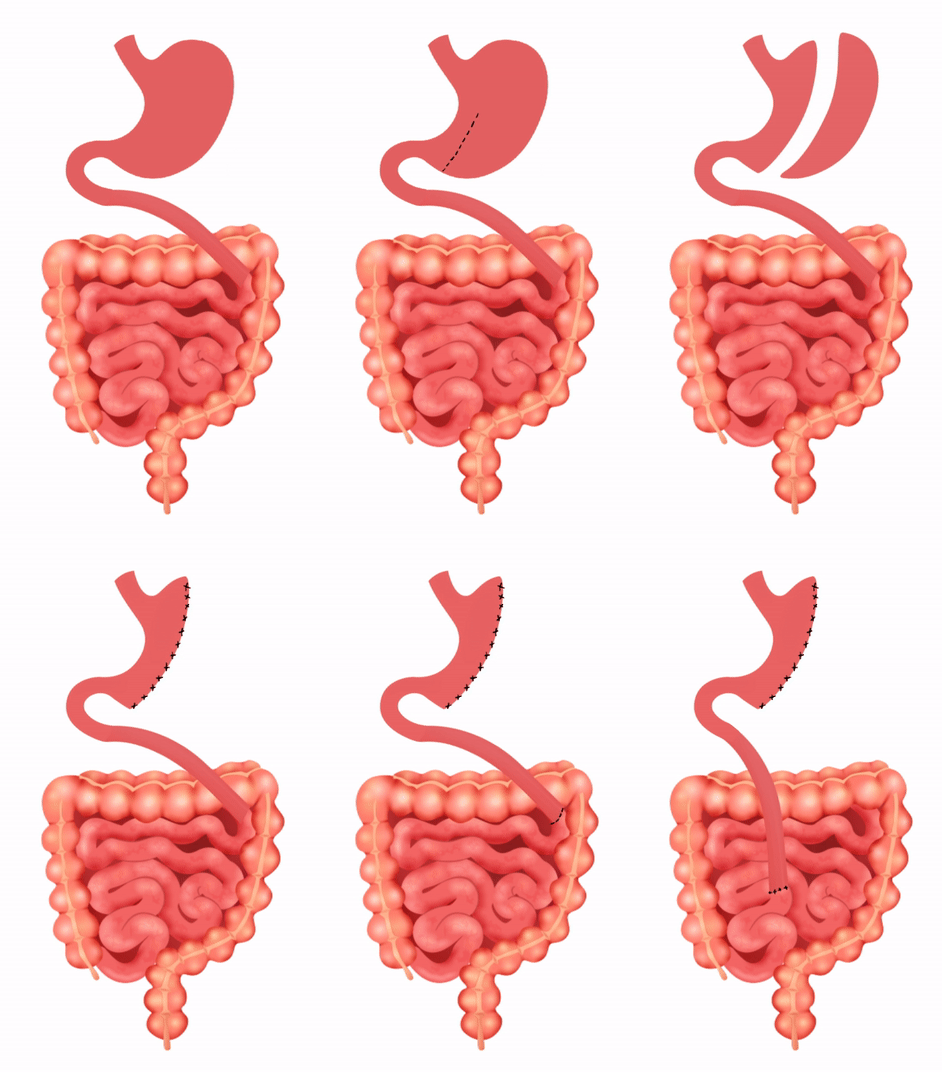
How Does SADI-S Work?
- First, the surgeon performs a sleeve gastrectomy to remove approximately 80 percent of the stomach.
- Second, they detach the intestine just below the stomach, after which they reattach it to an intestinal loop roughly 2 meters down.
The effect of the SADI-S Procedure is to bypass food from the part of the intestine that is metabolically active. This results in the lessening of the length of the intestinal loop in which nutrients are absorbed. Patients experience a smaller appetite and consume fewer meal portions.
In addition to anatomical changes, the SADI-S procedure influences hormones that regulate hunger and blood sugar. This dual effect supports better appetite control and metabolic improvement. For many patients, SADI-S Surgery not only reduces food intake but also alters nutrient absorption and hormonal responses, supporting improved metabolism. Because of these changes, patients require lifelong vitamin and mineral supplementation to maintain nutritional balance.
Benefits of the SADI-S Procedure
For patients seeking long-term weight management, the SADI-S procedure provides a structured and effective solution. It supports both weight loss and metabolic improvement with a simplified surgical technique.
- Reduces the risk of diarrhea and nutritional deficiencies often associated with the duodenal switch
- Gives patients greater weight loss when compared with standard gastric bypass or gastric sleeve, which is great for those with a BMI above 50.
- The SADI-S Procedure can be performed on patients who have undergone sleeve gastrectomy but experienced insufficient weight loss or a relapse.
- Reduces the long-term risk of intestinal obstruction when compared with duodenal switch and gastric bypass.
- It is great for people with poorly controlled Type-2 Diabetes as it offers a more powerful metabolic effect when compared with a standard gastric bypass or sleeve gastrectomy.
- The SADI-S Surgery has a simplified intestinal configuration, which reduces the number of surgical connections compared to traditional approaches. This can help lower certain risks while still delivering strong weight loss and metabolic outcomes, particularly for patients with complex obesity profiles.
- Unlike gastric bypass surgery, patients experience a reduced likelihood of issues such as unstable blood sugar fluctuations, dumping syndrome, marginal ulcers, food restrictions and intolerance.
- Procedure
- Post-Op Care
- Risks & Complications
The placement of Orbera Gastric Balloon into the stomach is a simple, non-surgical outpatient procedure. First, a diagnostic test is done to make sure it is safe to perform the procedure. Then the deflated gastric balloon is inserted through the esophagus and into the stomach. Once it is in position, the balloon is inflated with saline and a dye, to maintain the required size. The procedure takes about 15 minutes to complete. The balloon is temporarily left in the stomach for about 6 months.
After the procedure, you may experience some cramps and nausea, as your stomach adjusts. Your throat may feel a little sore. You’ll follow a liquid or soft diet for a few weeks and followed by 6 months of a supervised diet plan. Our team will continue working closely with you during these 6 months.
As with any other procedure, Gastric balloon procedure involves certain risks and complications:
- Esophageal, gastric ulcers or perforation.
- Deflation of the balloon which can lead to blockage.
- Rupture of balloon dye (if used), which will be released in the urine.
Potential Disadvantages of SADI-S Procedure
Potential risks associated with the SADI-S Procedure are similar to those of any other bariatric procedure. These include:
- Anastomotic leaks
- Infection
- Bile reflux
- Intestinal perforation
- Venous thrombosis and pulmonary embolism
- Bowel obstruction in the long-term
- Abscess
Potential Disadvantages of SADI-S Procedure
Potential risks associated with the SADI-S Procedure are similar to those of any other bariatric procedure. These include:
- Anastomotic leaks
- Infection
- Bile reflux
- Intestinal perforation
- Venous thrombosis and pulmonary embolism
- Bowel obstruction in the long-term
- Abscess



Considering the SADI-S Procedure in Dallas, Fort Worth, Mansfield & Plano, TX? Contact DFW Bariatrics and General Surgery
Expert surgeons at DFW Bariatrics and General Surgery in Dallas, Mansfield & Plano perform many SADI-S Procedures with favorable outcomes. When considering undergoing the SADI-S Procedure in Dallas or Fort Worth, TX, our team of seasoned surgeons can help determine whether or not you are a good candidate. Call 469-620-0222 or email [email protected].
Uncover SADI advantages; expert guidance just a click away.
Contact usFrequently Asked Questions
Patients with a BMI above 40, or above 35 with obesity-related conditions such as diabetes or sleep apnoea, may qualify. If you are considering SADI-S Surgery in Dallas, Fort Worth, Plano, or Mansfield, schedule a consultation at DFW Bariatrics and General Surgery for a detailed assessment. This helps determine eligibility and map a treatment plan aligned with your long-term health goals.
The SADI-S procedure typically takes 1.5 to 3 hours. It is typically performed using minimally invasive techniques that allow greater precision and efficiency during surgery. At DFW Bariatrics and General Surgery, both laparoscopic and robotic-assisted options are available, which help optimize surgical time while supporting better control, smaller incisions, and improved outcomes.
The SADI-S procedure and gastric bypass serve different patient needs. SADI-S may offer greater weight loss and stronger metabolic impact, especially for patients with higher BMI, while gastric bypass has a longer track record. The right option depends on individual health factors and is determined after a detailed evaluation.
Yes, patients follow a phased diet from liquids to solid foods. The care team at DFW Bariatrics and General Surgery guides you through each stage to ensure proper healing and nutrition.
Yes, lifelong supplementation and monitoring are required. At DFW Bariatrics and General Surgery, patients receive personalized nutrition plans and ongoing support to maintain optimal health.
Patients may lose a significant percentage of excess weight over 12-18 months, depending on adherence to dietary and lifestyle recommendations.
Yes. The procedure has a strong metabolic effect and often leads to improved blood sugar control or remission in many patients.
Yes, SADI-S Surgery is typically performed laparoscopically or robotically. At DFW Bariatrics and General Surgery, this approach supports reduced pain, smaller incisions, and faster recovery.
Yes, SADI-S surgery is considered a permanent procedure as it involves removing a portion of the stomach and permanently altering the digestive pathway. While it delivers long-term results, outcomes depend on maintaining recommended dietary habits, follow-ups, and lifestyle changes.