
Mildly obese fare better after major heart attack
People who survive a major heart attack often do better in the years afterward if they’re mildly obese, a study by cardiologists shows. Source: Science Daily | Read More
Older obese adults can benefit from moderate exercise

Moderate-intensity exercise can help even extremely obese older adults improve their ability to perform common daily activities and remain independent, according to researchers at Wake Forest Baptist Medical Center. Source: Science Daily | Read More
Screening for obesity in children and adolescents recommended
The US Preventive Services Task Force recommends that clinicians screen for obesity in children and adolescents 6 years and older and offer or refer them to comprehensive, intensive behavioral interventions to promote improvements in weight. Source: Science Daily | Read More
Diagnosing obesity by mathematically estimating abdominal fat

Abdominal obesity, or fat that accumulates around one’s stomach and abdomen, has long been considered to pose a high health risk in individuals. Hence, measurement of abdominal fat helps predict propensity to disorders caused by excess weight in the abdominal area. In a new paper, researchers propose a new technique to evaluate abdominal obesity by […]
Prebiotics reduce body fat in overweight children
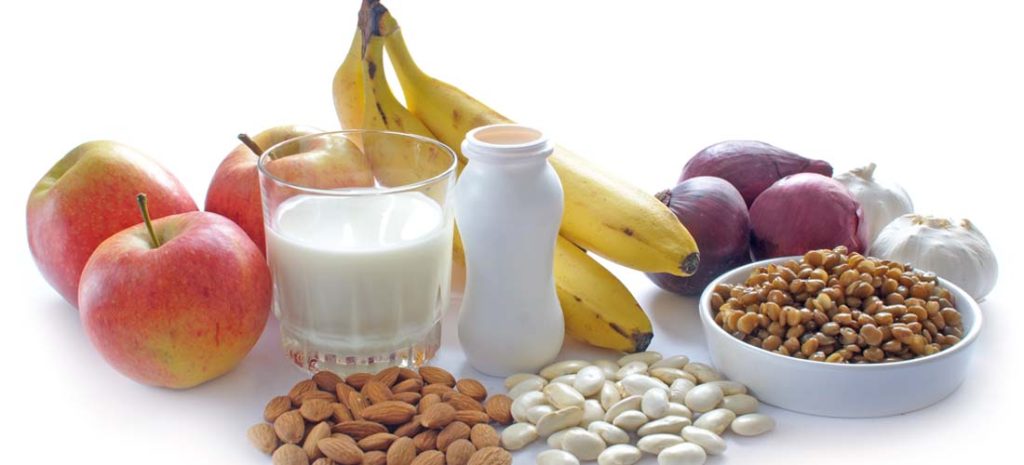
There may soon be a new tool in the fight against childhood obesity. Prebiotics reduce body fat in children who are overweight or obese by altering their gut microbiota, according to new research. Prebiotics are non-digestible food ingredients (such as fiber) that act as fertilizers to help stimulate the growth of good bacteria already in […]
Waist-to-height ratio more accurate than BMI in identifying obesity, new study shows
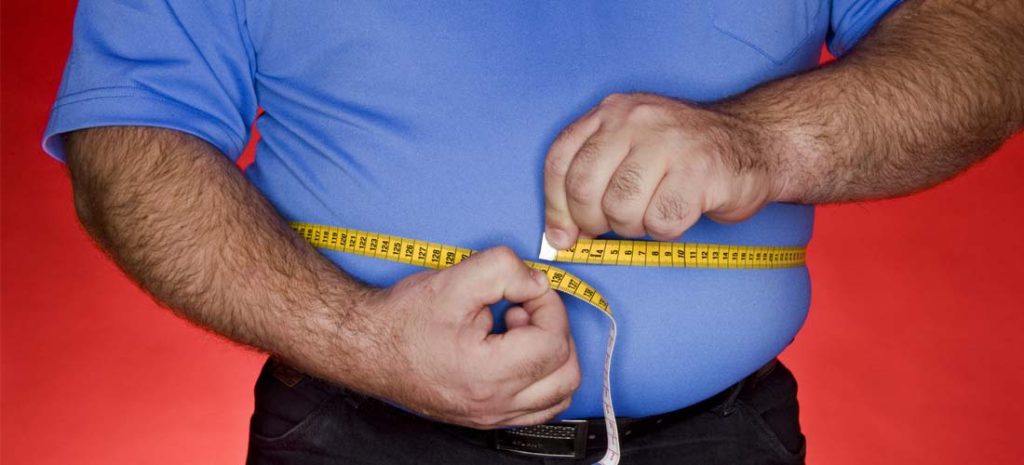
Calculating a person’s waist-to-height ratio is the most accurate and efficient way of identifying whether or not they are at risk of obesity in clinical practice, a new study shows. Source: Science Daily | Read More
Better than BMI: More accurate way to determine adolescent obesity

Researchers have found a new, more accurate way to determine if adolescents are overweight, important findings considering many school districts label adolescents — who tend to be more vulnerable to weight bias and fat shaming than adults — as obese. Source: Science Daily | Read More
Recognizing food brands puts preschoolers at risk for obesity

Young children who recognize food name brands, such as Lucky Charms, M&M’s and Cheetos, often eat unhealthy items that lead to their high body mass index. Source: Science Daily | Read More
Overweight/obese people with diabetes at increased risk of brain abnormalities
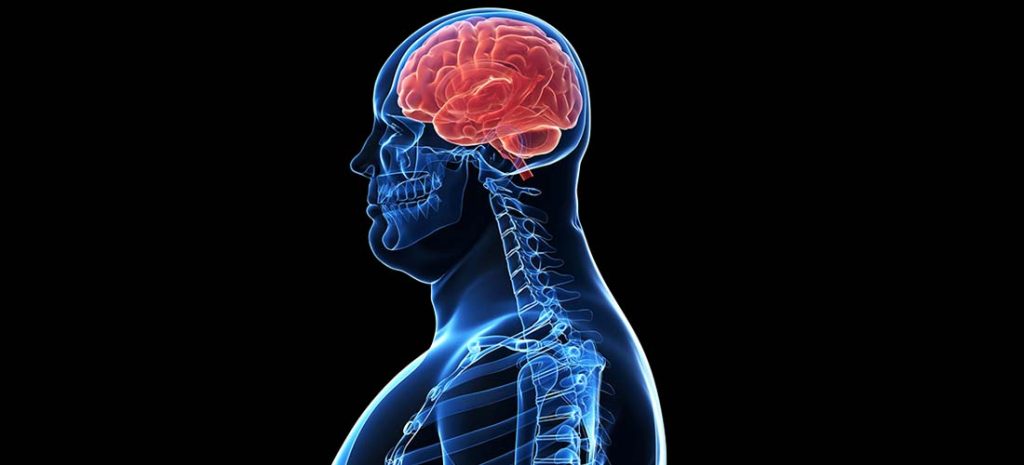
Overweight and obese individuals with early stage type 2 diabetes (T2D) had more severe and progressive abnormalities in brain structure and cognition compared to normal-weight study participants, research indicates. Source: Science Daily | Read More
Obesity amplifies genetic risk of nonalcoholic fatty liver disease
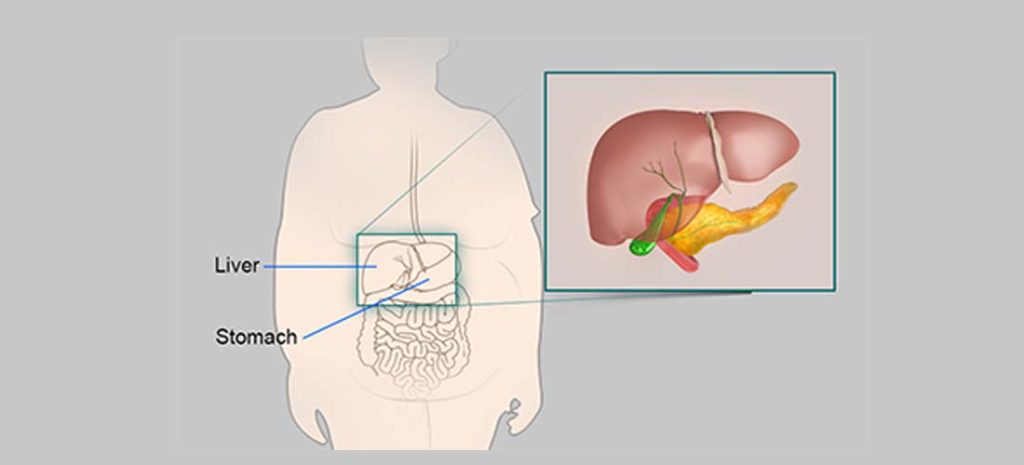
An international study has revealed a striking genetic-environmental interaction: Obesity significantly amplifies the effects of three gene variants that increase risk of nonalcoholic fatty liver disease (NAFLD) by different metabolic pathways. Source: Science Daily | Read More