
Waist-to-height ratio more accurate than BMI in identifying obesity, new study shows
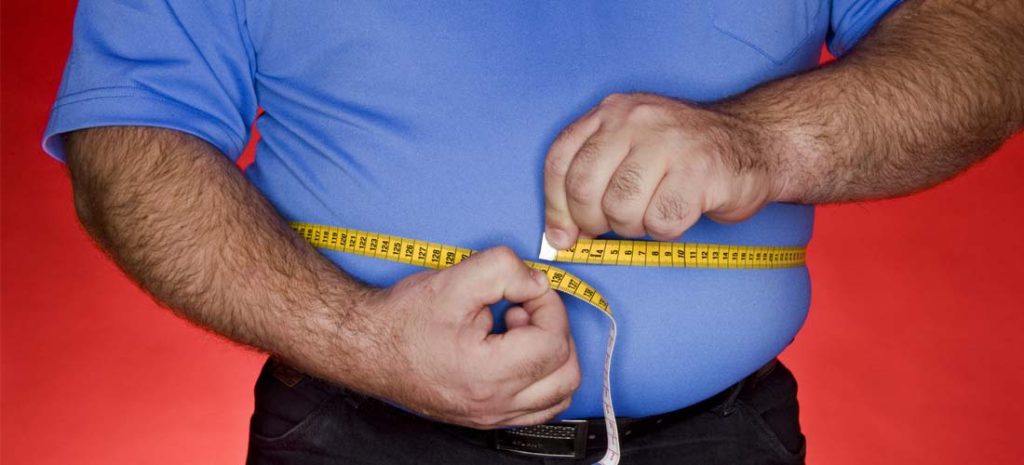
Calculating a person’s waist-to-height ratio is the most accurate and efficient way of identifying whether or not they are at risk of obesity in clinical practice, a new study shows. Source: Science Daily | Read More
Better than BMI: More accurate way to determine adolescent obesity

Researchers have found a new, more accurate way to determine if adolescents are overweight, important findings considering many school districts label adolescents — who tend to be more vulnerable to weight bias and fat shaming than adults — as obese. Source: Science Daily | Read More
Recognizing food brands puts preschoolers at risk for obesity

Young children who recognize food name brands, such as Lucky Charms, M&M’s and Cheetos, often eat unhealthy items that lead to their high body mass index. Source: Science Daily | Read More
Overweight/obese people with diabetes at increased risk of brain abnormalities
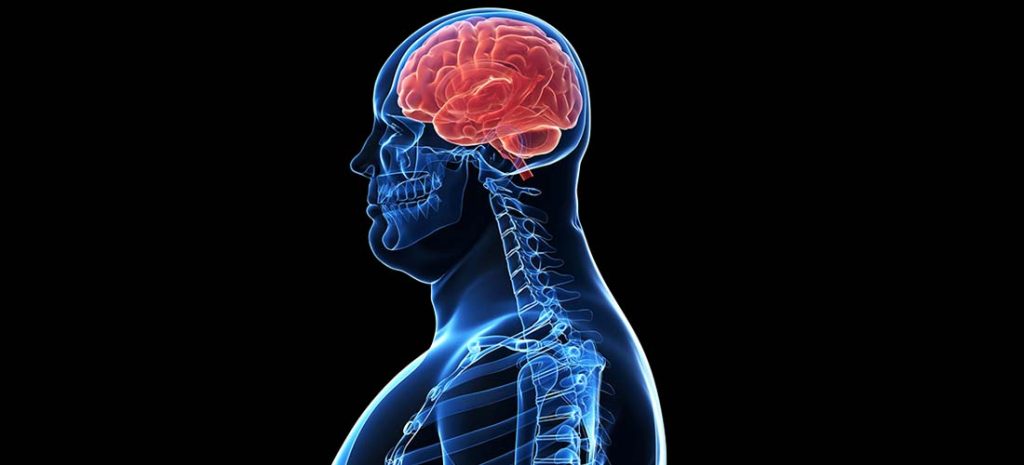
Overweight and obese individuals with early stage type 2 diabetes (T2D) had more severe and progressive abnormalities in brain structure and cognition compared to normal-weight study participants, research indicates. Source: Science Daily | Read More
Obesity amplifies genetic risk of nonalcoholic fatty liver disease
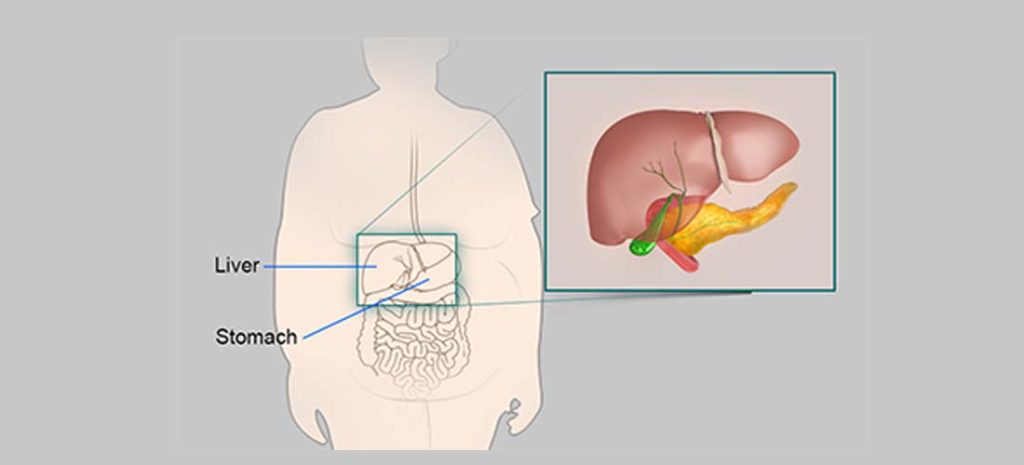
An international study has revealed a striking genetic-environmental interaction: Obesity significantly amplifies the effects of three gene variants that increase risk of nonalcoholic fatty liver disease (NAFLD) by different metabolic pathways. Source: Science Daily | Read More
Risk of obesity influenced by changes in our genes

A child’s risk of obesity as they grow up can be influenced by modifications to their DNA prior to birth, a new study has shown. These changes, known as epigenetic modifications, control the activity of our genes without changing the actual DNA sequence. Source: Science Daily | Read More
Weight history over time shows higher risk of death for overweight, obese people
People who are obese or overweight at some point in their adult lives have an elevated risk of death from cardiovascular disease, cancer and other causes, according to a new study by researchers from the Boston University School of Public Health (BUSPH) and the Harvard T.H Chan School of Public Health. Source: Science Daily | […]
Study identifies strategies to improve knee replacement outcomes in patients with obesity

Obesity affects 35 percent of the adult population in the US. A new literature review identifies strategies to improve total knee replacement outcomes in patients with obesity. Source: Science Daily | Read More
Long-term stress linked to higher levels of obesity, hair samples show

People who suffer long-term stress may also be more prone to obesity, according to research that involved examining hair samples for levels of cortisol, a hormone which regulates the body’s response to stress. Source: Science Daily | Read More
Obesity reprograms muscle stem cells

Obesity is associated with reduced muscle mass and impaired metabolism. Epigenetic changes that affect the formation of new muscle cells may be a contributing factor, according to new research. Source: Science Daily | Read More