
Laparoscopic Cholecystectomy (Gallbladder Removal) Surgery in Dallas, TX
- Home
- General Surgery
- GI Surgery
- Laparoscopic Cholecystectomy Surgery Dallas
Cholecystectomy is a surgical procedure performed to remove the gallbladder, a small organ located beneath the liver that stores bile, a digestive fluid that helps break down fats during digestion. Gallbladder removal may become necessary when gallstones block the normal flow of bile, leading to pain, nausea, bloating, inflammation, or ongoing digestive discomfort. In many cases, surgery is recommended when these issues become recurrent or begin affecting daily comfort and digestive health. Some individuals may also experience discomfort after eating fatty foods or pain in the upper right side of the abdomen when gallstones begin affecting normal gallbladder function.
At DFW Bariatrics and General Surgery, gallbladder surgery is one of the most commonly performed minimally invasive procedures under the guidance of Dr. Sachin Kukreja. The team takes a personalized approach throughout the treatment process, helping patients better understand their condition, available treatment options, and what to expect before, during, and after surgery.
Open vs Robotic Cholecystectomy
In an open cholecystectomy, surgeons make a 5–7 inch incision on the upper right side of the abdomen below the ribs to access and remove the gallbladder. The surrounding tissues and muscles are gently moved aside to expose the surgical area before the incision is closed with sutures. Recovery after open surgery may involve a longer healing period, greater postoperative discomfort, and a larger visible scar due to the size of the incision.
Open cholecystectomy is now less commonly performed compared to robotic or laparoscopic cholecystectomy due to the latter’s greater efficiency, decreased postoperative pain, smaller incisions, and faster recovery. Many patients are also able to resume normal daily activities sooner after minimally invasive gallbladder surgery, making these approaches a preferred option for eligible candidates.
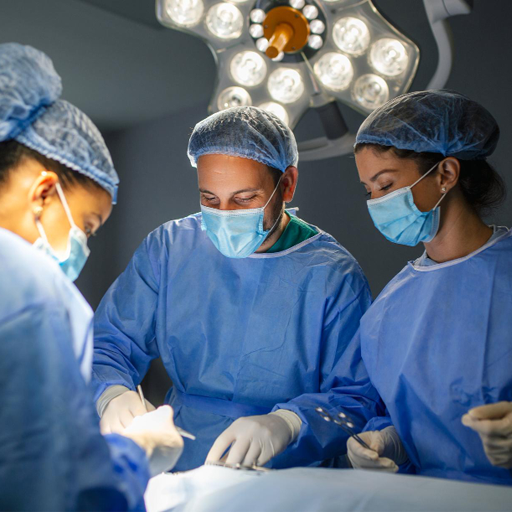
During a robotic cholecystectomy, surgeons make 3–4 small incisions through which specialized surgical instruments and a tiny camera are inserted. The camera provides a detailed, magnified view of the surgical site, allowing surgeons to operate with greater precision and control throughout the procedure. Robotic-assisted technology may also improve visualization of structures surrounding the gallbladder during surgery, which can support greater surgical precision and safer dissection in certain cases. After the gallbladder is removed, the incisions are closed, and patients are moved to recovery for postoperative monitoring.
Post Surgery
In most cases, patients are able to return home the same day following gallbladder surgery. Recovery after robotic surgery is generally faster, with many patients gradually resuming routine daily activities within about a week, depending on individual healing and overall health. At DFW Bariatrics and General Surgery, our team provides detailed preoperative and postoperative guidance to help patients feel informed and prepared throughout the process. This includes discussing fasting instructions, temporary medication adjustments, recovery expectations, and all required preoperative testing well before the scheduled procedure date.
Prognosis
- Procedure
- Post-Op Care
- Risks & Complications
The placement of Orbera Gastric Balloon into the stomach is a simple, non-surgical outpatient procedure. First, a diagnostic test is done to make sure it is safe to perform the procedure. Then the deflated gastric balloon is inserted through the esophagus and into the stomach. Once it is in position, the balloon is inflated with saline and a dye, to maintain the required size. The procedure takes about 15 minutes to complete. The balloon is temporarily left in the stomach for about 6 months.
After the procedure, you may experience some cramps and nausea, as your stomach adjusts. Your throat may feel a little sore. You’ll follow a liquid or soft diet for a few weeks and followed by 6 months of a supervised diet plan. Our team will continue working closely with you during these 6 months.
As with any other procedure, Gastric balloon procedure involves certain risks and complications:
- Esophageal, gastric ulcers or perforation.
- Deflation of the balloon which can lead to blockage.
- Rupture of balloon dye (if used), which will be released in the urine.
Risks & Complications
Although gallbladder removal is considered a safe and commonly performed procedure, every surgery carries some potential risks and complications. Possible complications may include bleeding, infection, bile leakage, injury to the bile duct, bowel injury, or reactions related to anesthesia, although these complications are uncommon. The risk level can vary depending on factors such as overall health, inflammation severity, prior abdominal surgeries, and the type of procedure performed.
At DFW Bariatrics and General Surgery, the surgical team carefully evaluates each patient before surgery and uses advanced minimally invasive techniques to support safer outcomes and reduce surgical risks whenever possible. Patients also receive detailed preoperative instructions and postoperative guidance to help support smoother recovery after gallbladder surgery.

Phentermine (Adipex)
Orlistat
Phentermine/
Topiramate (Qsymia)
Naltrexone/
Bupropion (Contrave)
Saxenda
Wegvoy


Need Gallbladder Removal Surgery in Dallas? Contact Us!
Ongoing gallbladder pain, digestive discomfort, or recurring gallstone-related problems can gradually begin affecting daily routines, overall comfort, and quality of life over time. At DFW Bariatrics and General Surgery, patients receive personalized evaluation and treatment planning under the guidance of Dr. Sachin Kukreja, with care tailored to each patient’s symptoms, condition severity, and overall health needs. Using advanced laparoscopic and robotic-assisted techniques, our team focuses on delivering precise surgical care while helping patients feel informed, supported, and comfortable throughout the treatment process.
For individuals seeking experienced gallbladder removal care in Dallas, Fort Worth, Mansfield, Plano, our team is here to guide and support you through every stage of treatment and recovery. To schedule a consultation, call 469-620-0222 or fill out our online contact form, and a member of our team will get in touch with you to discuss your concerns and next steps.
Discover advanced robotic cholecystectomy solutions.
Contact usFrequently Asked Questions
Persistent abdominal pain, nausea, bloating, discomfort after eating fatty foods, fever, or recurring gallstone attacks may indicate the need for further evaluation and possible gallbladder surgery. Some individuals also experience pain in the upper right side of the abdomen that gradually becomes more frequent over time.
Recovery timelines can vary depending on the type of procedure performed and a patient’s overall health status. Many patients who undergo minimally invasive surgery are able to gradually resume normal daily activities within about one week, although complete recovery timelines can vary from person to person.
Most patients are able to gradually return to a normal diet over time after gallbladder removal. However, surgeons may recommend temporarily avoiding greasy or high-fat foods during the early recovery period while the digestive system adjusts after surgery.
Both procedures are minimally invasive and use small incisions along with specialized surgical instruments to remove the gallbladder. During a laparoscopic cholecystectomy, surgeons operate using handheld instruments and a camera system. In a robotic cholecystectomy, surgeons control robotic-assisted instruments that provide enhanced visualization, precision, and flexibility during the procedure.
Once the gallbladder is removed, gallstones typically do not return because the organ responsible for forming most gallstones has already been removed. This is why surgery is considered the most effective long-term treatment for recurring gallstones.
Patients generally experience less postoperative discomfort after robotic cholecystectomy compared with traditional open surgery because the procedure uses smaller incisions and minimally invasive techniques. Pain levels and recovery experiences can still vary depending on individual healing and overall health status.
Open surgery may sometimes be recommended in more complex cases involving severe inflammation, infection, scar tissue from previous surgeries, or other factors that can affect surgical visibility and overall safety during the procedure.
Eligibility for cholecystectomy depends on factors such as gallstone severity, symptoms, inflammation, digestive health, and overall medical condition. To learn more about your treatment options and whether surgery may be appropriate for your condition, you can consult with DFW Bariatrics and General Surgery for personalized guidance and evaluation.