
Gastric Bypass Weight Loss Surgery Dallas, Fort Worth, Mansfield & Plano
- Home
- Weight Loss Surgery
- Gastric Bypass
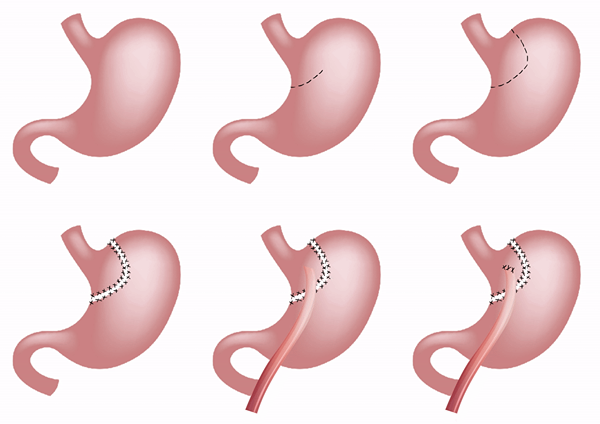
Roux-en-Y Gastric Bypass or Gastric Bypass, is considered a gold-standard weight loss procedure designed to support significant and sustained weight loss. It works by reducing the production of hunger-triggering hormones while limiting the amount of food the body can process, helping patients feel full sooner and absorb fewer calories. As one of the most frequently recommended bariatric options in Dallas, Mansfield, Plano and surrounding areas, the surgery is performed in two stages: creating a small stomach pouch and then rerouting a portion of the small intestine.
Although the surgery has been in practice since 1961, modern minimally invasive techniques and comprehensive preoperative evaluations have greatly improved safety and outcomes. Today, gastric bypass is chosen not only for its weight-loss potential but also for its positive impact on metabolic health, including improvements in obesity-related conditions. This makes it a valuable option for individuals seeking long-term support through a structured bariatric program.
What is an Orbera Gastric Balloon?
Orbera Gastric balloon is a non-surgical outpatient procedure recommended for individuals who are unable to lose weight with diet and exercise alone and have body mass index between 30 to 40. During the gastric balloon procedure, a fluid filled balloon is inserted through your mouth, down your esophagus and into the stomach. The balloon takes up space, which limits food intake and makes you feel full sooner. It is a temporary procedure and the balloon is removed after a period of 6 months.
Who Qualifies for a Gastric Bypass Procedure?
- Non-surgical weight loss methods were unsuccessful
- BMI is 40 or higher
- BMI is 35 or higher, along with serious weight related health issues, including type 2 diabetes or high blood pressure
Who Qualifies for a Gastric Bypass Procedure?
- Non-surgical weight loss methods were unsuccessful
- BMI is 40 or higher
- BMI is 35 or higher, along with serious weight-related health issues, including type 2 diabetes or high blood pressure
Pre-Operative Care
- Following a strict diet
- Exercising regularly
- Quitting smoking and drinking
- Completing pre-operative testing
- Procedure
- Post-Op Care
- Risks & Complications
The placement of Orbera Gastric Balloon into the stomach is a simple, non-surgical outpatient procedure. First, a diagnostic test is done to make sure it is safe to perform the procedure. Then the deflated gastric balloon is inserted through the esophagus and into the stomach. Once it is in position, the balloon is inflated with saline and a dye, to maintain the required size. The procedure takes about 15 minutes to complete. The balloon is temporarily left in the stomach for about 6 months.
After the procedure, you may experience some cramps and nausea, as your stomach adjusts. Your throat may feel a little sore. You’ll follow a liquid or soft diet for a few weeks and followed by 6 months of a supervised diet plan. Our team will continue working closely with you during these 6 months.
As with any other procedure, Gastric balloon procedure involves certain risks and complications:
- Esophageal, gastric ulcers or perforation.
- Deflation of the balloon which can lead to blockage.
- Rupture of balloon dye (if used), which will be released in the urine.
The Procedure
Stomach Stapling
In the first step, the surgeon divides the stomach into two portions: one larger and one much smaller, about 30 ml or roughly the size of an egg. The smaller section is then sealed to create a pouch, a process often referred to as stomach stapling. Reducing the size of the stomach limits the amount of food a patient can consume, helping support weight loss.
Bypass
The second step focuses on limiting the absorption of nutrients and calories. Here, the surgeon disconnects the newly created pouch from the rest of the stomach and connects it to a section of the small intestine.
Apart from reducing stomach size and rerouting the intestines, the procedure also triggers significant hormonal changes that influence metabolism and further support weight loss. These changes can lead to rapid improvements in blood sugar control, often resulting in early resolution of type 2 diabetes and helping patients achieve long-term, sustained weight loss.
Post-Operative Care
After a gastric bypass surgery, it is essential to follow specific post-operative care measures. These include:
- Strictly following your doctor’s instructions
- Attending regular follow-up appointments
- Taking prescribed pain medication as directed
- Sleeping adequately and staying hydrated
- Taking lifelong vitamin supplements to prevent deficiencies
Risks & Complications
A few risks and complications associated with a gastric bypass surgery include:
- Deep vein thrombosis (DVT)
- Gallstones
- Infection
- Bleeding
- Rapid dumping of food into the intestines, which may cause nausea and other symptoms
- Ulcers



Need Weight Loss Surgery in Dallas, Mansfield,
or Plano, Texas?
Contact Us!
DFW Bariatrics and General Surgery, serving Dallas, Fort Worth, Mansfield, and Plano, TX, is home to a team of board-certified surgeons with extensive experience in gastric bypass surgery. Our team includes Dr. Sachin Kukreja, Dr. Elizabeth Hooper, and Dr. Rebecca Barr, recognized for their commitment to patient care. To schedule a consultation with one of our gastric bypass surgeons, call 469-620-0222 or fill out our contact form, and we will get back to you shortly.
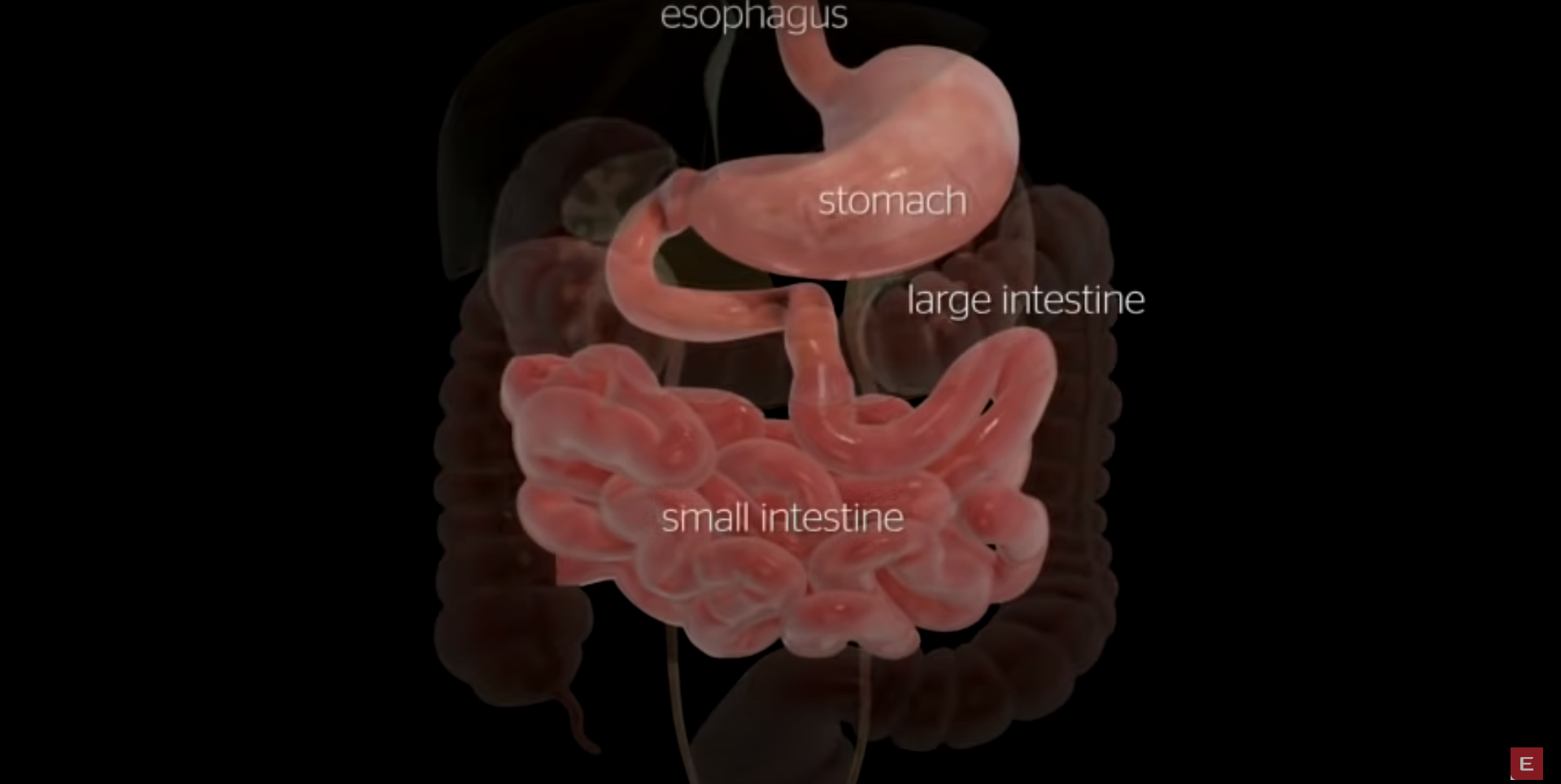
Dive deeper into Gastric Bypass; our experts guide.
Contact usFrequently Asked Questions
You can schedule an appointment by calling 469-620-0222 or submitting the contact form on the website. A team member will assist you with the next steps and pre-consultation requirements.