
Gastric Sleeve Surgery Dallas, Fort Worth, Mansfield & Plano, TX
- Home
- Weight Loss Surgery
- Gastric Sleeve
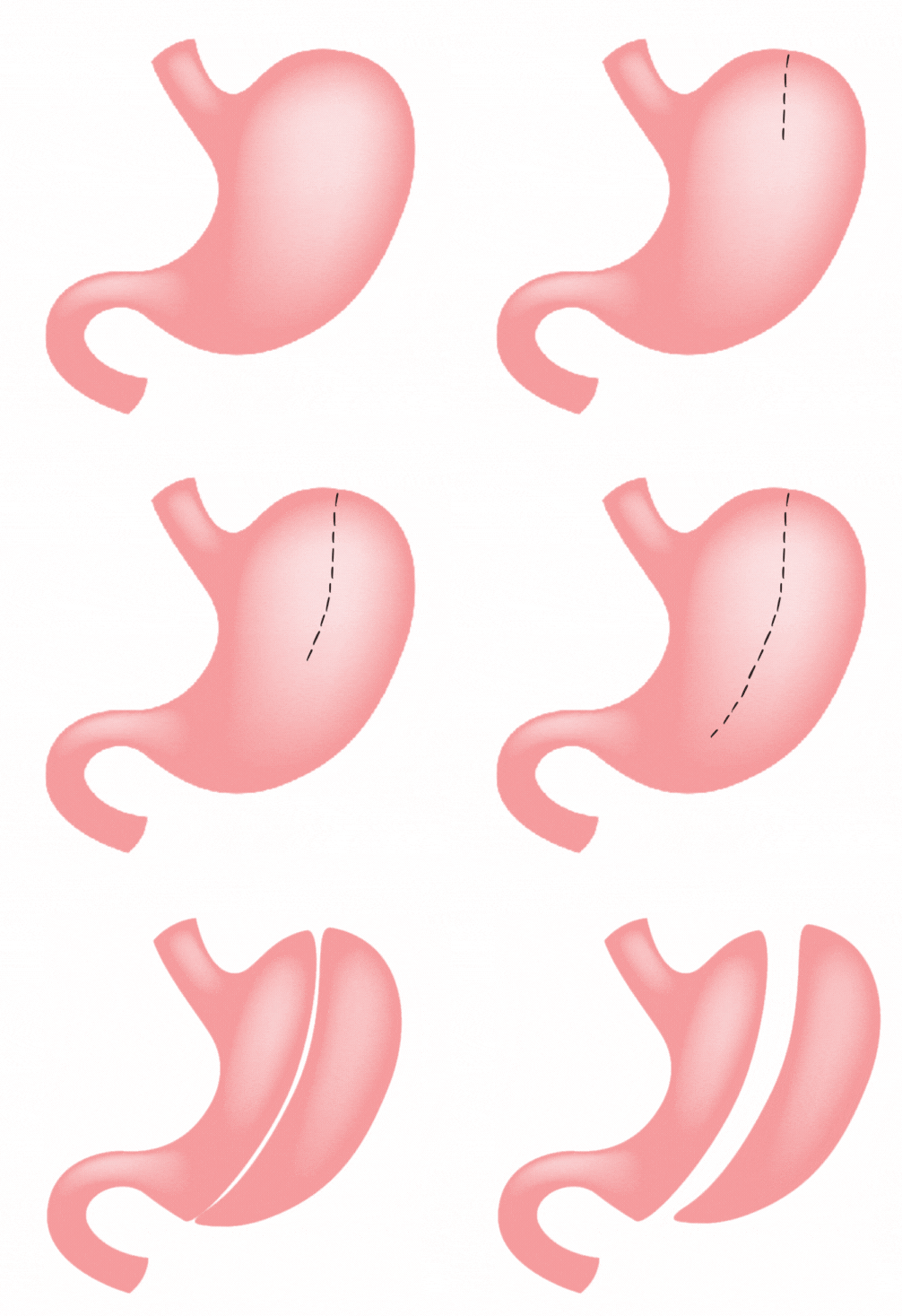
Sleeve Gastrectomy Surgery, also called Gastric Sleeve or Vertical Sleeve Gastrectomy (VSG), is a restrictive bariatric weight loss procedure that reduces stomach size and helps regulate hunger signals. The surgery is typically performed using minimally invasive laparoscopic or robotic techniques and is available at DFW Bariatrics and General Surgery for patients in Dallas, Fort Worth, Mansfield, and Plano, TX. It is performed by Dr. Sachin Kukreja, Dr. Elizabeth Hooper, and Dr. Rebecca Barr.
During the procedure, several small incisions (each 1 cm or smaller) are made in the upper abdomen. Approximately 80 percent of the stomach is removed, leaving a narrow, tube-shaped stomach roughly the size and shape of a banana. This reduction in stomach size helps limit food intake, allowing patients to feel full sooner and eat less than before.
Why Opt for Gastric Sleeve Surgery?
In Gastric Sleeve Surgery, a large portion of the stomach responsible for producing ghrelin, the “hunger hormone,” is removed. This reduces stomach capacity and helps patients feel full sooner, supporting controlled food intake and sustained weight reduction. The procedure is a minimally invasive bariatric surgery performed through small incisions, which typically results in less post-operative discomfort and a quicker recovery compared to traditional open surgery. Unlike gastric bypass, sleeve gastrectomy does not involve rerouting of the intestines or implanted devices. This makes it a technically simpler procedure with a generally lower risk profile and fewer long-term mechanical or nutritional complexities in many patients. Because of its balance between effectiveness and procedural simplicity, gastric sleeve surgery is one of the most commonly performed bariatric procedures worldwide.
Are You a Candidate for Gastric Sleeve?
Gastric Sleeve Surgery is generally recommended for individuals based on established medical and insurance criteria. Most candidates include patients with a Body Mass Index (BMI) of 40 or higher, or a BMI of 35 or higher with obesity-related health conditions such as type 2 diabetes, hypertension, or sleep apnea. In many cases, insurance providers follow similar eligibility guidelines. In select patients with a BMI of 50 or higher, sleeve gastrectomy may be considered as part of a staged bariatric approach, where weight reduction is achieved in phases to improve overall surgical safety. This procedure is typically considered when structured attempts at weight management through diet, exercise, and medical therapy have not resulted in sustained improvement. A thorough clinical evaluation is required to determine suitability for surgery and ensure the most appropriate treatment plan.
Risks of Sleeve Gastrectomy
Sleeve Gastrectomy is generally considered a safe, minimally invasive bariatric procedure, but like all surgeries, it carries some risks. Short-term risks may include bleeding, infection, blood clots, or reactions to anesthesia. In rare cases, leakage along the staple line may occur and require further medical treatment. Patients may also experience nausea, vomiting, or temporary difficulty tolerating certain foods during early recovery as the digestive system adjusts.
Long-term risks can include acid reflux or gastroesophageal reflux symptoms in some patients. Nutritional deficiencies are less common than with other bariatric procedures but may develop if dietary guidelines and follow-up care are not followed. Regular medical follow-up and adherence to post-surgical instructions help reduce complications and support safe recovery.
Health Benefits of Sleeve Gastrectomy
In addition to weight loss, Sleeve Gastrectomy is associated with significant long-term health improvements in patients with obesity. Many individuals experience better control of type 2 diabetes, improved blood pressure levels, and reduced symptoms of sleep apnea. It can also help decrease strain on joints and improve mobility in daily activities.
What to Expect from Sleeve Gastrectomy?
Sleeve Gastrectomy is a minimally invasive procedure performed laparoscopically under general anesthesia. The surgery involves removing a portion of the stomach and shaping the remaining section into a narrow, tube-like structure. No intestinal rerouting or implanted devices are involved. Following surgery, patients typically experience steady and significant weight loss over time. Most weight reduction occurs within the first 6 to 12 months, with continued progress over the following years as lifestyle changes are maintained. Patients are usually monitored in the hospital overnight and discharged the next day if recovery is stable. Mild discomfort is common initially but generally improves within a few days.
Diet progression is gradual. Patients typically follow a liquid diet for the first phase of recovery, allowing the stomach staples to heal properly before transitioning to soft and then solid foods under medical guidance. Long-term results depend on adherence to dietary recommendations, activity levels, and follow-up care.



Contact Sleeve Gastrectomy Surgery Experts in Dallas,
Fort Worth, Mansfield, and Plano, TX
If you are looking for a trusted sleeve gastrectomy surgeon in the DFW area, contact Dr. Sachin Kukreja at DFW Bariatrics and General Surgery. To learn more about the treatment options available for obesity or schedule an appointment, call 469-620-0222 or fill out our online appointment form, and we will take it from there.
Transform your health; consult our Sleeve Gastrectomy experts.
Contact usFrequently Asked Questions
Sleeve Gastrectomy is a bariatric weight loss procedure in which approximately 80% of the stomach is removed, leaving a smaller, tube-shaped stomach that limits food intake and supports weight loss.
At DFW Bariatrics and General Surgery in Dallas, Fort Worth, Mansfiled and Plano, TX, the procedure is performed laparoscopically using small incisions in the abdomen. A portion of the stomach is removed, and the remaining stomach is shaped into a sleeve-like structure.
The procedure typically takes about 1 to 2 hours, depending on individual patient factors and surgical conditions.
Most patients stay in the hospital for one night and are discharged the following day if recovery is stable.
Most patients can resume light daily activities within 1 to 2 weeks, with a gradual return to more strenuous activity as advised by the surgeon.
Yes. Patients follow a structured dietary plan that begins with liquids and gradually progresses to soft foods and then solid meals under medical guidance.
Yes, weight regain can occur if long-term dietary habits and lifestyle changes are not maintained. Continued follow-up and adherence to guidelines are important for sustained results.
No, Sleeve Gastrectomy is considered a permanent procedure as a portion of the stomach is removed during surgery.