
October 27, 2026
Key Takeaways
- Duodenal switch surgery is an advanced weight loss surgery that delivers significant, long-term weight loss along with metabolic improvement when performed under expert care.
- Side effects such as digestive changes and nutritional deficiencies are expected outcomes of the duodenal switch procedure and can be effectively managed with structured dietary guidance and supplementation.
- Risks, including infection, bleeding, and leakage, are known and predictable, and can be minimized through careful surgical planning, advanced techniques, and consistent follow-up.
- Proper patient selection, including BMI evaluation, medical history, and readiness for lifestyle changes, plays a critical role in improving safety and long-term success.
- Minimally invasive and robotic-assisted approaches enhance surgical precision, reduce recovery time, and lower the risk of complications compared to traditional open surgery.
Duodenal switch surgery is one of the most advanced forms of weight loss surgery, designed for individuals who require significant, sustained weight reduction along with metabolic improvement. While the procedure is highly effective, it is natural to have questions about potential risks and side effects before moving forward.
Whether you are consulting our experts in Dallas, Fort Worth, Mansfield, or Plano, at DFW Bariatrics and General Surgery, patient safety remains the central focus. Every step of the duodenal switch procedure, from evaluation to long-term follow-up, is structured to reduce complications and support consistent outcomes. Our approach remains transparent, medically grounded, and focused on helping patients make informed decisions with confidence. In this article, we provide an overview of the general risks and complications of duodenal surgery and how we minimize these risks.
Read Also: Why Weight Loss Gets Harder With Age and How Non-Surgical Weight Loss Procedures Can Help
What is Duodenal Switch Surgery?
The duodenal switch procedure combines two surgical techniques to support weight loss and metabolic change.
First, a sleeve gastrectomy reduces the size of the stomach, which helps limit food intake. Second, an intestinal bypass reroutes a portion of the small intestine, reducing the absorption of calories and nutrients. This dual mechanism makes duodenal switch surgery one of the most effective procedures for long-term weight loss.
It is often recommended for patients with a higher body mass index (BMI) or those dealing with obesity-related conditions such as type 2 diabetes or sleep apnea. The procedure requires a strong commitment to lifestyle changes and ongoing medical care.
Why Patients Consider Duodenal Switch Surgery
Patients consider duodenal switch surgery when traditional weight loss methods have not delivered sustainable results.
- Significant and Sustained Weight Loss: The procedure supports long-term weight reduction by addressing both intake and absorption.
- Improvement in Health Conditions: Many patients experience improvement in diabetes, hypertension, and sleep apnea.
- Metabolic Benefits: The surgery helps regulate hormones that influence hunger, insulin response, and fat storage.
For many individuals, this procedure offers a structured, medically supervised path toward better health. If you are considering duodenal switch surgery in Dallas, Fort Worth, Plano, or Mansfield, schedule a consultation with one of our expert surgeons at the closest DFW Bariatrics and General Surgery clinic near you.
Common Side Effects of Duodenal Switch Surgery
Understanding side effects helps set realistic expectations. Most effects are manageable and improve with proper care.
Digestive Changes
After duodenal switch surgery, patients may notice changes in bowel habits. Loose stools, more frequent bowel movements, and increased gas are common during the adjustment phase. These changes are often influenced by diet and can be managed with nutritional guidance.
Nutritional Deficiencies
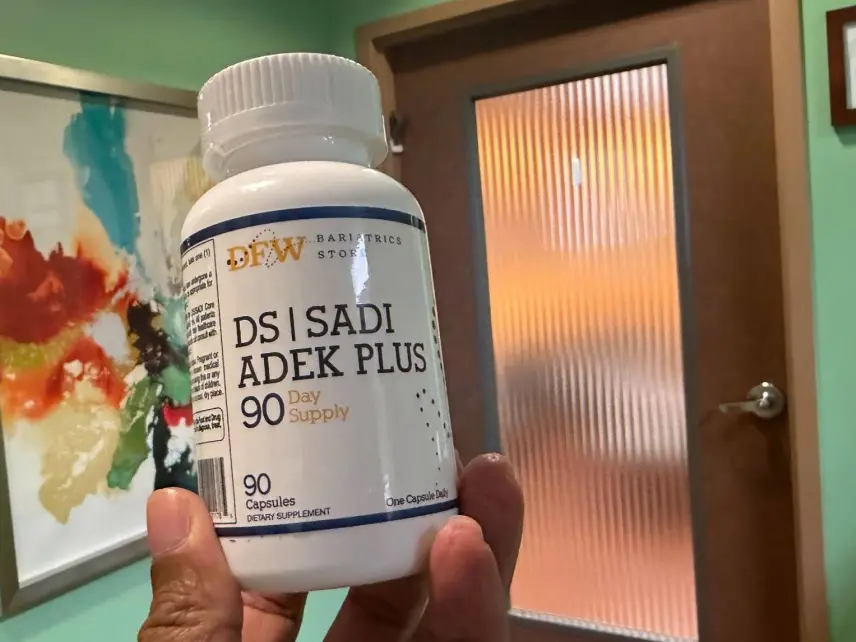
Because the procedure reduces nutrient absorption, there is a risk of deficiencies in vitamins such as A, D, E, and K, along with iron and calcium. Lifelong supplementation and routine monitoring are essential parts of care after the duodenal switch procedure.
Temporary Discomfort During Recovery
Fatigue, mild nausea, and dietary adjustments are common in the early recovery period. These symptoms usually resolve as the body adapts and as patients transition to structured meal plans.
Read Also: Gastric Bypass Safety: How Surgical Experts Minimize and Manage Risks
Potential Risks and Complications
Every surgical procedure carries some level of risk, and duodenal switch surgery is no exception. Being aware of these risks allows for better preparation and informed decision-making.
- Infection: A risk at the incision or internal surgical site, managed with sterile techniques and timely treatment.
- Bleeding: Excess or uncontrolled bleeding during or after surgery, monitored closely and addressed promptly.
- Leakage at Surgical Connection Sites: Leakage from newly created connections in the digestive tract, requiring immediate medical attention.
- Bowel Obstruction: A blockage in the intestines that may occur due to scar tissue or internal changes post-surgery.
- Long-Term Malabsorption Challenges: Reduced absorption of nutrients over time, requiring lifelong supplementation and monitoring.
Are these Risks a Cause for Concern?
While the risks may seem concerning, they are significantly reduced when the procedure is performed in a structured clinical setting with experienced professionals.
Proper patient selection plays a critical role. Not every individual is an ideal candidate, and careful evaluation ensures that the benefits outweigh the risks. An experienced surgical team, combined with structured aftercare, further supports safe outcomes.
Long-term success after duodenal switch surgery also depends on patient participation. Adhering to dietary guidelines, attending follow-ups, and maintaining supplementation protocols contribute directly to better outcomes.
At DFW Bariatrics and General Surgery, these risks are carefully managed through detailed surgical planning, advanced techniques, and consistent follow-up care. The focus remains on early detection and proactive management at every stage.
How We Ensure Safe Outcomes at Our Bariatric Centers in Dallas, Fort Worth, Mansfield, and Plano
At DFW Bariatrics and General Surgery, safety is built into every stage of the patient journey.
Comprehensive Pre-Surgical Evaluation
Each patient undergoes a detailed assessment, including medical history, BMI evaluation, and metabolic screening. Previous weight loss attempts, lifestyle readiness, and commitment to long-term care are also considered before recommending the duodenal switch procedure.
Experienced Bariatric Surgeons
The surgical team, led by Dr. Sachin Kukreja, Dr. Elizabeth Hooper, and Dr. Rebecca Barr, brings extensive experience in performing duodenal switch procedures. Their expertise supports precision, consistency, and improved surgical outcomes.
Advanced Surgical Techniques
Our practice specialises in minimally invasive and advanced robotic-assisted procedures, designed to enhance precision and control during the duodenal switch procedure. These techniques use smaller incisions, advanced imaging, and articulated instruments that allow surgeons to operate with greater accuracy, even in complex cases.
As a result, patients typically experience less tissue trauma, reduced post-operative pain, shorter hospital stays, and faster recovery timelines. In addition, the improved visualization and precision help minimize the risk of complications, support better surgical outcomes, and contribute to a more controlled and consistent healing process compared to traditional open surgery.
Personalized Post-Surgery Care
Recovery plans are tailored to each patient. Structured diet programs, supplementation protocols, and scheduled follow-ups help manage side effects and support long-term health.
Long-Term Monitoring and Support
Ongoing care includes nutritional tracking, lab monitoring, and lifestyle counseling. This long-term approach ensures that patients maintain results while reducing the risk of complications associated with malabsorption.
Read Also: Non-Surgical Weight Loss Procedures: Are They a Viable Alternative to Bariatric Surgery?
Recovery and Long-Term Care After Duodenal Switch Surgery
Recovery after duodenal switch surgery begins with a short hospital stay, followed by a gradual return to daily activities. Most patients transition through a staged diet, starting with liquids and progressing to solid foods over time.
Follow-up appointments play a key role in monitoring healing, nutritional levels, and overall progress. These visits help identify and address any concerns early.
Long-term care focuses on maintaining a balanced diet, taking prescribed supplements, and staying physically active. Patients who follow these guidelines tend to achieve more stable and sustainable outcomes.
Take the First Step Towards Safer Weight Loss
Duodenal switch surgery offers a structured and effective approach to weight loss, but it requires expert care and long-term commitment. At DFW Bariatrics and General Surgery, every aspect of the process, from evaluation to recovery, is designed to support safe, consistent outcomes. If you are considering duodenal switch surgery in Dallas, Fort Worth, Plano, or Mansfield, a personalized consultation can help you understand your options, potential risks, and expected results. Schedule a consultation today to speak with a bariatric specialist and explore a treatment plan tailored to your health goals. Call us at 469-620-0222, email us at [email protected], or schedule a consultation online. You can also fill out our contact form, and we will get back to you soon.
Frequently Asked Questions
Q.1 What makes the duodenal switch procedure different from other bariatric surgeries?
The duodenal switch procedure combines stomach reduction with intestinal bypass, addressing both food intake and absorption. This dual approach often leads to greater long-term weight loss and metabolic improvement.
Q.2 How safe is duodenal switch surgery compared to other weight loss surgery options?
When performed by experienced surgeons using advanced techniques, duodenal switch surgery is considered safe and effective. Its outcomes are closely tied to proper patient selection and structured follow-up care.
Q.3. Is duodenal switch surgery available in Dallas and Fort Worth?
Yes, DFW Bariatrics and General Surgery provides duodenal switch surgery services in Dallas and Fort Worth, with access across multiple locations, including Plano and Mansfield.
Q.4. How long does recovery take after duodenal switch surgery?
Initial recovery typically takes a few weeks, with gradual improvement over time. Full adjustment, including dietary changes and energy levels, may take a few months, depending on individual progress.
Q.5. Will I need to take supplements after the surgery?
Yes, due to reduced nutrient absorption, patients must follow lifelong supplementation plans. Regular monitoring ensures that nutritional levels remain balanced.
Q.6. Can side effects of duodenal switch surgery be controlled?
Most side effects of the duodenal switch surgery, such as digestive changes or nutritional deficiencies, can be effectively managed with proper diet, supplements, and routine follow-ups.
Q.7. Who is the right candidate for duodenal switch surgery?
Candidates typically include individuals with a higher BMI or obesity-related health conditions who are committed to long-term lifestyle changes and medical follow-up. Schedule a consultation with experts at DFW Bariatrics and General Surgery for a detailed evaluation.
Q.8. Why choose DFW Bariatrics and General Surgery for weight loss surgery?
With experienced surgeons, advanced robotic techniques, and structured long-term care, we, at DFW Bariatrics and General Surgery, aim to deliver consistent outcomes. Schedule a consultation at one of our centres in Dallas, Fort Worth, Plano, and Mansfield.