
October 9, 2026
Key Takeaways:
- Gastric bypass is a clinically proven procedure for long-term weight loss, but like any major surgery, it involves manageable risks when performed by experienced specialists.
- Risks such as infection, DVT, ulcers, and nutritional deficiencies are predictable and can be effectively minimised through structured medical care.
- Expert-led treatment, including evaluation, surgical precision, and long-term follow-up, plays a critical role in improving safety and outcomes.
- Proper eligibility assessment and pre-operative preparation significantly reduce complications and support smoother recovery.
- Minimally invasive and robotic surgical techniques help lower surgical risk, reduce pain, and enable faster healing.
- Post-operative care, including regular follow-ups and nutritional monitoring, is essential for preventing long-term complications.
- At DFW Bariatrics and General Surgery, patients can access advanced bariatric procedures, including gastric bypass, with continuous care across Dallas, Plano, and Mansfield.
Gastric bypass surgery is one of the most effective and widely recommended treatments for severe obesity, helping patients achieve sustained weight loss and improve overall health. For many, it goes beyond weight reduction; it supports better mobility, improved metabolic health, and a higher quality of life. Still, one question remains at the forefront: Is gastric bypass surgery safe?
Read Also: Weight Loss Surgery in the Age of Weight Loss Drugs: Who is the Right Candidate Today?
If you are considering gastric bypass in Dallas, Plano, Texas, or elsewhere, it is important to understand both sides. Like any major procedure, it does carry certain risks. However, with modern surgical techniques, careful patient selection, and structured aftercare, these risks are well understood and actively managed.
This blog explores the potential risks and complications of gastric bypass, and more importantly, how experts minimize them through eligibility assessment, pre-operative preparation, advanced surgical techniques, and long-term care.
Understanding Gastric Bypass Surgery
Gastric bypass is a bariatric procedure that helps patients lose weight by changing how the stomach and small intestine handle food. The surgery creates a smaller stomach pouch and reroutes part of the digestive system. This limits food intake and reduces calorie absorption.
It is typically recommended for individuals who have not achieved sustained results through diet, exercise, or medication alone.
While gastric bypass remains one of the most established procedures, patients often compare it with other options such as the gastric band and the gastric sleeve surgery. In laparoscopic gastric banding, the stomach’s size is reduced by tying an adjustable inflatable band around it, whereas in the gastric sleeve procedure, a portion of the stomach is removed to reduce its size, without rerouting the intestines.
Each procedure has its own indications, but gastric bypass is often preferred in cases involving severe obesity or obesity-related conditions such as type 2 diabetes.
What are the Risks and Complications of Gastric Bypass Surgery?
It is natural to have concerns about safety. Gastric bypass is a well-established and effective procedure, but like any major surgery, it does carry certain risks. The key difference lies in how well these risks are anticipated, prevented, and managed by an experienced medical team.
Read Also:Band to Bypass Revision vs. Band to Sleeve Revision
Common Risks and What They Mean
- Deep Vein Thrombosis (DVT): Blood clots can form in the legs due to reduced movement after surgery. If not addressed, they may travel to the lungs. Early mobilisation and preventive measures significantly reduce this risk.
- Infection: This may occur at the incision site or internally. Strict sterile techniques during surgery and proper wound care after the procedure help minimize this.
- Bleeding: Some bleeding can occur during or after surgery. Surgeons use controlled techniques to limit this, and patients are monitored closely in the immediate recovery period.
- Ulcers: These are sores that may develop in the digestive tract over time, often linked to irritation, medications, or lifestyle factors. They are typically manageable with medication and follow-up care.
- Gallstones: Rapid weight loss can increase the likelihood of gallstone formation. In some cases, preventive treatment or monitoring is recommended.
- Dumping Syndrome: This happens when food moves too quickly into the small intestine, leading to nausea, dizziness, or discomfort. It is usually managed through dietary adjustments.
While these risks are real, they are also predictable and manageable. With the right preparation, surgical expertise, and post-operative care, most patients go on to recover safely and achieve meaningful health improvements.
How Bariatric Surgery Experts Manage These Risks
Managing risks in gastric bypass is not limited to the procedure itself; it is a structured process that spans evaluation, surgery, and long-term care.
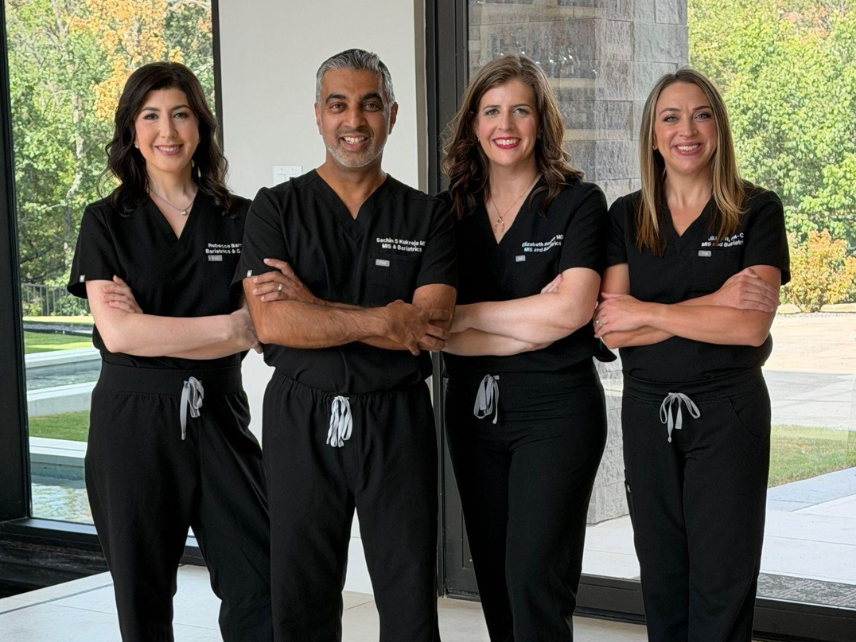
Experienced specialists, such as Dr. Kukreja and his team, focus on careful planning, precision during surgery, and consistent follow-up to minimize complications at every stage. During the procedure, minimally invasive techniques help reduce tissue trauma and improve recovery. Immediately after surgery, patients are closely monitored, with early mobilization and controlled pain management to prevent issues such as DVT or infection.
The most important phase, however, is long-term care. Regular follow-ups, nutritional monitoring, and timely intervention ensure that potential complications are identified early and managed effectively.
When gastric bypass is supported by this end-to-end approach, risks become predictable and manageable, allowing patients to recover safely and achieve sustained results.
Read Also: Don’t Wait Until It’s Urgent: Why Timely General Surgery Matters
Why Proper Eligibility Assessment Reduces Surgical Risks
Gastric bypass is not a one-size-fits-all procedure. One of the most effective ways to minimize complications is to ensure that the right patients are selected for surgery in the first place. A thorough eligibility assessment helps identify who will benefit most from the procedure while keeping risks low and outcomes predictable.
You may be a candidate if:
- Your BMI is 40 or higher
- Your BMI is 35 or higher along with conditions such as type 2 diabetes or high blood pressure
- Non-surgical weight loss methods have not been successful
Patients seeking gastric bypass surgery in Dallas, Texas, or anywhere else typically undergo a thorough evaluation before any decision is made. This includes reviewing medical history, lifestyle, and overall readiness for surgery.
Careful patient selection ensures that those who undergo the procedure are in a position to benefit from it safely.
Pre-Operative Preparation: Reducing Risk Before Surgery
Pre-operative preparation is another critical factor in making the procedure safer, helping the body adapt to surgery, and reducing the likelihood of complications during and after the procedure.
Experienced bariatric specialists, such as Dr. Kukreja and his team, guide patients through a structured preparation plan – advising on diet changes, recommending lifestyle adjustments, and conducting necessary medical evaluations. This approach helps optimize the body for surgery, reduce intraoperative risks, and set the foundation for a smoother recovery.
Before surgery, patients are usually advised to:
- Follow a structured diet to reduce liver size and improve surgical access
- Stop smoking and alcohol consumption to improve healing and reduce infection risk
- Begin light physical activity to support circulation and reduce the risk of blood clots
- Complete all required medical tests to identify any underlying conditions
These steps are designed to stabilize the body and prepare it for surgery. Patients who follow pre-operative guidance closely often experience smoother procedures and quicker recovery.
Read Also: 5 Seemingly Healthy Habits That Could Lead to Belly Fat
Role of Minimally Invasive and Robotic Surgery
Advancements in surgical technology have significantly improved the safety and precision of bariatric procedures such as gastric bypass. Today, most surgeries are performed using minimally invasive techniques, which reduce stress on the body and support faster, smoother recovery.
- Laparoscopic surgery involves making a few small incisions through which a camera (laparoscope) and specialised instruments are inserted. The surgeon views the surgical area on a high-definition screen and performs the procedure with controlled, precise movements. Because the incisions are smaller compared to traditional open surgery, patients typically experience less pain, a lower risk of infection, and shorter hospital stays.
- Robotic-assisted surgery builds on this approach by giving the surgeon enhanced control and precision. Using a robotic system, the surgeon operates instruments that offer a greater range of motion and stability than the human hand. This allows for highly refined movements, especially in complex procedures like gastric bypass. The result is improved accuracy, reduced tissue trauma, and potentially better outcomes in terms of safety and recovery.
Many patients exploring options with a gastric bypass or gastric sleeve surgeon in Dallas, Plano, or Mansfield should consult experts at DFW Bariatrics and General Surgery. We provide both minimally invasive surgical techniques and our bariatric surgeons evaluate each patient carefully and recommend the most appropriate surgical approach based on individual needs. This ensures that patients benefit from the safest and most effective technique available for their condition.
Post-Operative Care: Managing Risks After Surgery
Recovery after gastric bypass is not passive; it requires active participation and structured medical guidance. The way patients care for themselves after surgery plays a decisive role in preventing complications and ensuring long-term success.
Bariatric experts, including Dr. Kukreja and his team, closely monitor recovery, advise patients on diet progression, manage medications, and identify early signs of complications. Through regular follow-ups and timely intervention, they ensure that risks such as nutritional deficiencies, ulcers, or delayed healing are addressed before they become serious concerns.
Read Also: 5 Delicious Ways to Add Protein to Your Fruit Smoothie
After surgery, patients are expected to:
- Follow medical instructions carefully
- Attend all follow-up appointments
- Take prescribed medications as directed
- Stay hydrated and maintain proper sleep
- Take lifelong vitamin supplements to prevent deficiencies
Each of these steps is directly linked to preventing complications. For example, vitamin supplementation reduces the risk of long-term nutritional issues, while follow-ups help detect concerns early.
Most long-term complications are not sudden; they develop gradually and can be managed effectively when monitored.
Choosing the Right Bariatric Clinic in Dallas, Plano, or Mansfield
Choosing bariatric surgery is a major decision, but with the right expertise and structured care, risks are actively managed, and outcomes are predictable. With proper preparation and consistent follow-up, gastric bypass becomes a safe, closely monitored path toward long-term health.
If you are exploring gastric bypass in Dallas, Plano, or Mansfield, a consultation is the first step. It helps you understand your eligibility and compare procedures such as gastric bypass, sleeve, or other bariatric solutions based on your needs.
At DFW Bariatrics and General Surgery, Dr. Kukreja and his team offer a full spectrum of advanced bariatric procedures, combining surgical precision, modern technology, and continuous care to guide you at every stage.
Schedule a consultation at one of our offices in Dallas-Fort Worth, Plano, or Mansfield today to explore the most suitable treatment options for your health and weight loss goals. Call us at 469-620-0222, email us at [email protected], schedule a consultation online, or fill out our contact form.With the right guidance and treatment plan, achieving sustainable weight loss may be more attainable than you think.
Frequently Asked Questions
Q.1 Is gastric bypass surgery safe?
Yes, if you are considering gastric bypass surgery in Dallas or anywhere else, let it be known that it is generally considered safe when performed by experienced bariatric specialists. At DFW Bariatrics and General Surgery, Dr. Kukreja and his team follow structured protocols to minimize risks and ensure safe outcomes.
Q.2 Are complications common after gastric bypass surgery?
Serious complications after gastric bypass surgery in Mansfield or Dallas are relatively uncommon. Most risks are predictable and manageable when surgery is performed by experts with proper pre- and post-operative care.
Q.3 How do experts reduce risks during gastric bypass surgery?
Specialists use minimally invasive techniques, careful monitoring, and precision-based approaches to reduce complications. At DFW Bariatrics and General Surgery, Dr. Kukreja’s team manages risks at every stage, from evaluation to long-term follow-up.
Q.4 How is gastric bypass different from gastric sleeve surgery?
Both procedures are effective, but gastric sleeve surgery is less complex as it does not reroute the intestines. Gastric bypass may be recommended for patients with specific medical conditions, and the right option is determined after expert evaluation. At DFW Bariatrics and General Surgery, patients can explore both options, whether gastric bypass or sleeve procedures, across Dallas, Plano, and Mansfield, with expert guidance to choose the most suitable treatment.
Q.5 What is the recovery time after gastric bypass surgery?
Recovery after gastric bypass typically begins within a few weeks, with full recovery over a few months. Regular follow-ups with specialists help ensure smooth healing and early management of any concerns.
Q.6 Do I need lifelong follow-up after gastric bypass?
Yes, long-term care is essential. Patients undergoing gastric bypass surgery benefit from ongoing monitoring, nutritional guidance, and lifestyle support provided by experienced bariatric teams, which is why consulting an expert nearby is advised. At DFW Bariatrics and General Surgery, patients benefit from continuous care for gastric bypass surgery across Dallas, Fort Worth, Plano, and Mansfield.
Q.7 What should I look for in a gastric bypass surgeon in Plano or anywhere else?
Look for experienced specialists, access to advanced techniques, and structured follow-up care. Consulting a trusted gastric bypass and sleeve surgeon in Plano, such as Dr. Kukreja, ensures personalized treatment and safer outcomes.
Q.8 Does DFW Bariatrics and General Surgery offer gastric bypass surgery in Plano and Mansfield?
Beyond Dallas and Fort Worth, DFW Bariatrics and General Surgery provides bariatric services, including gastric bypass surgery, in Plano and Mansfield. Patients benefit from consistent treatment, advanced surgical options, and ongoing support across all locations. You can explore our locations here.