
May 18, 2026
Prescription weight loss medications have changed how people think about obesity treatment. Many individuals in Dallas, Fort Worth, Plano, and Mansfield now have access to medical weight loss options that did not exist a few years ago. As a result, a common question keeps coming up: if weight loss drugs are available, who still needs weight loss surgery? The answer is not as simple as choosing one option over another. The decision to choose a particular type of weight loss treatment is related to identifying which approach fits a person’s health profile, history, and long-term goals. This article focuses on helping readers understand who weight loss surgery is actually meant for today, especially in a time when medications are widely discussed.
Understanding Weight Loss Surgery
Weight loss surgery, also called bariatric surgery, refers to procedures designed to help individuals lose weight by changing how the digestive system works. These procedures do more than reduce food intake. They also influence hormones that control hunger, fullness, and blood sugar regulation.
For patients considering weight loss surgery in Dallas, TX or any other city, surgery is not a cosmetic decision. It is a medical treatment used when obesity has become a long-term health concern and other methods have not delivered lasting results.
How Weight Loss Drugs Changed the Conversation
Weight loss medications have become more visible and more accessible. For many people, these treatments can support meaningful weight loss, particularly in the early stages of obesity management. They may help reduce appetite, improve portion control, and encourage healthier habits.
However, the availability of medications has not eliminated the need for surgery. Instead, it has shifted the conversation. The question is no longer which option is better. It is when medication is enough and when surgery becomes the more appropriate next step.
The Real Question Patients are Asking Today
Many patients already using medical weight loss therapies share similar concerns:
- What happens if the weight comes back after stopping medication?
- Is it safe or realistic to stay on weight loss drugs long term?
- Why do some health conditions improve only partially with medication?
- How do I know if surgery is meant for someone like me?
These questions are valid and increasingly common across individuals considering bariatric surgery in Fort Worth, Plano, and other areas. Understanding the right candidate for surgery begins with understanding these concerns.
Who are the Ideal Candidates for Weight Loss Surgery Today?
This is the most important part of the conversation. Weight loss surgery is not meant for everyone, but for certain individuals, it can be life-changing when chosen at the right time.
1. Individuals With Morbid or Severe Obesity
People who have lived with obesity for many years often experience repeated cycles of weight loss and regain. Diets, exercise programs, and even medications may work temporarily, but maintaining results becomes increasingly difficult.
Surgery is often considered for individuals whose bodies resist long-term weight regulation despite consistent effort. In these cases, surgery addresses underlying metabolic factors rather than relying solely on willpower or medication.
2. Patients Who See Limited Results With Medical Weight Loss
Weight loss drugs can help many people lose weight, but not everyone responds the same way. Some patients experience only modest weight loss, while others plateau early despite adherence.
Surgery may be appropriate when:
- Weight loss with medication stalls despite continued use
- Health conditions remain unchanged even after losing some weight
- The effort required to maintain results becomes unsustainable
For patients exploring bariatric weight loss surgery in DFW or anywhere else, this transition often comes after careful medical evaluation, not frustration alone.
3. Individuals With Obesity-Related Health Conditions
Weight loss surgery is frequently considered when obesity affects overall health, not just body weight. Conditions commonly associated with obesity include:
- Type 2 diabetes
- High blood pressure
- Sleep apnea
- Joint pain and mobility limitations
- Fatty liver disease
In many cases, surgery leads to more consistent improvement in these conditions compared to weight loss alone. This is one reason patients may be referred to a bariatric surgeon even after trying medication.
4. Patients Seeking Long-Term Metabolic Change
One of the key differences between surgery and medication is durability. While medications often require ongoing use to maintain results, surgery is designed to create lasting metabolic changes.
Patients who value long-term stability over short-term weight loss may be better suited for surgery, especially if they are concerned about lifelong dependence on medication.
5. Individuals Who are Ready for a Structured Commitment
Weight loss surgery is not a quick fix. Ideal candidates understand that surgery is a tool, not a replacement for healthy habits. Long-term success depends on follow-up care, nutritional guidance, and lifestyle adjustments.
Patients who benefit most are those who:
- Are willing to attend regular follow-up visits
- Understand the importance of dietary changes
- View surgery as part of a broader health plan
When Medical Weight Loss May Be the Better First Step
It is important to clarify that surgery is not always the starting point. Many individuals benefit from medical weight loss before considering surgery.
Medical weight loss may be appropriate for:
- Patients with lower body mass index
- Individuals early in their weight management journey
- Those who want to explore non-surgical options first
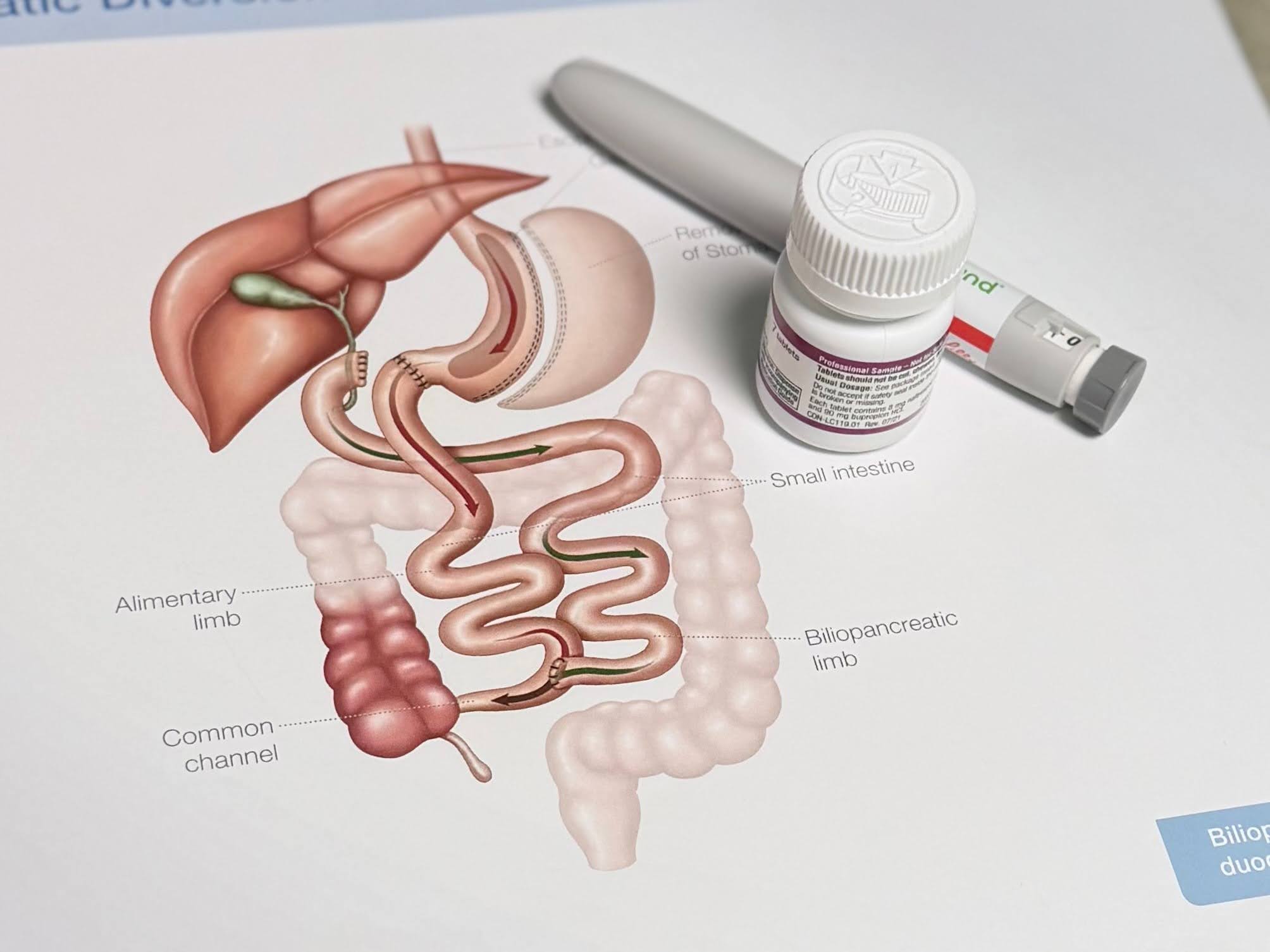
In many programs, medical weight loss and surgery work together. Some patients begin with medication and later transition to surgery with better preparation and outcomes.
Advances in Weight Loss Surgery That Matter Today
Modern bariatric surgery looks very different from what many people imagine. Advances in technique have made procedures more precise and recovery more manageable.
Robotic-Assisted Bariatric Surgery
Robotic technology allows surgeons to operate with enhanced precision and control. For patients, this often translates to:
- Smaller incisions
- Reduced discomfort
- Shorter recovery periods
- Improved consistency during surgery
These advances have reduced many of the fears patients associate with older surgical approaches, especially for those considering weight loss surgery in Dallas, TX, or anywhere else today.
Important Considerations Before Choosing Surgery
Before moving forward with surgery, patients should take time to understand what the process involves.
Key considerations include:
- Physical readiness and medical clearance
- Emotional and mental preparedness
- Understanding recovery expectations
- Commitment to long-term follow-up care
A thorough consultation helps ensure that surgery is chosen for the right reasons and at the right time.
Benefits of Weight Loss Surgery Beyond Weight Loss
While weight reduction is a major goal, many patients experience benefits that go far beyond the number on the scale.
These may include:
- Better blood sugar control
- Reduced reliance on medications
- Improved energy and mobility
- Better sleep quality
- Enhanced overall quality of life
For many patients, these improvements are what ultimately justify the decision.
Types of Weight Loss Surgery
Several bariatric procedures are commonly performed today. Each works in a slightly different way and is chosen based on individual health needs and goals.
- Gastric Sleeve Surgery: Also known as sleeve gastrectomy, this procedure reduces the size of the stomach so patients feel full with smaller portions. It also affects hunger-related hormones, which helps reduce appetite over time. This option is often recommended for patients looking for significant weight loss with a relatively straightforward surgical approach.
- Gastric Bypass Surgery: Gastric bypass changes both the size of the stomach and how food moves through the digestive system. It helps limit how much food can be eaten and how many calories are absorbed. This procedure is often considered for patients with obesity-related conditions such as type 2 diabetes.
- Adjustable Gastric Band: This procedure places an adjustable band around the upper portion of the stomach to slow how quickly food is eaten. Weight loss tends to be more gradual, and results depend heavily on long-term lifestyle changes and follow-up care. It is less commonly performed today but may be appropriate in select cases.
- Revisional Bariatric Surgery: Some patients may require a second procedure if a previous weight loss surgery did not produce the desired results or caused complications. Revisional surgery is more complex and requires careful evaluation by an experienced bariatric team.
Each of these procedures serves a different purpose. The right choice depends on medical history, weight loss expectations, and guidance from a bariatric specialist following a comprehensive consultation.
Also Read: Why Diets Often Fail and Exploring Long-Term Solutions Like Bariatric Weight Loss Surgery
Which Type of Surgery is Right for Me?
Choosing the right procedure requires a personalized evaluation. Online research can be helpful, but it cannot replace professional assessment.
During a consultation, a bariatric specialist considers:
- Medical history
- Previous weight loss attempts
- Existing health conditions
- Lifestyle and long-term goals
This individualized approach is important. For patients considering bariatric surgery in Fort Worth or across the DFW region, schedule a consultation at DFW Bariatrics and General Surgery today.
Speak With a Bariatric Surgery Specialist in DFW
Choosing whether weight loss surgery is right for you starts with an informed conversation, not a commitment. At DFW Bariatrics and General Surgery, our bariatric surgery specialists work closely with patients across Dallas, Fort Worth, Plano, and Mansfield to understand individual goals, medical history, and treatment options. Whether your path involves bariatric surgery, medical weight loss, or a personalized combination of both, our team is here to guide you with clarity and care. Call 469-620-0222 and email us at [email protected]. You may also schedule a consultation online here.